
A Private Life – 1982 Fall
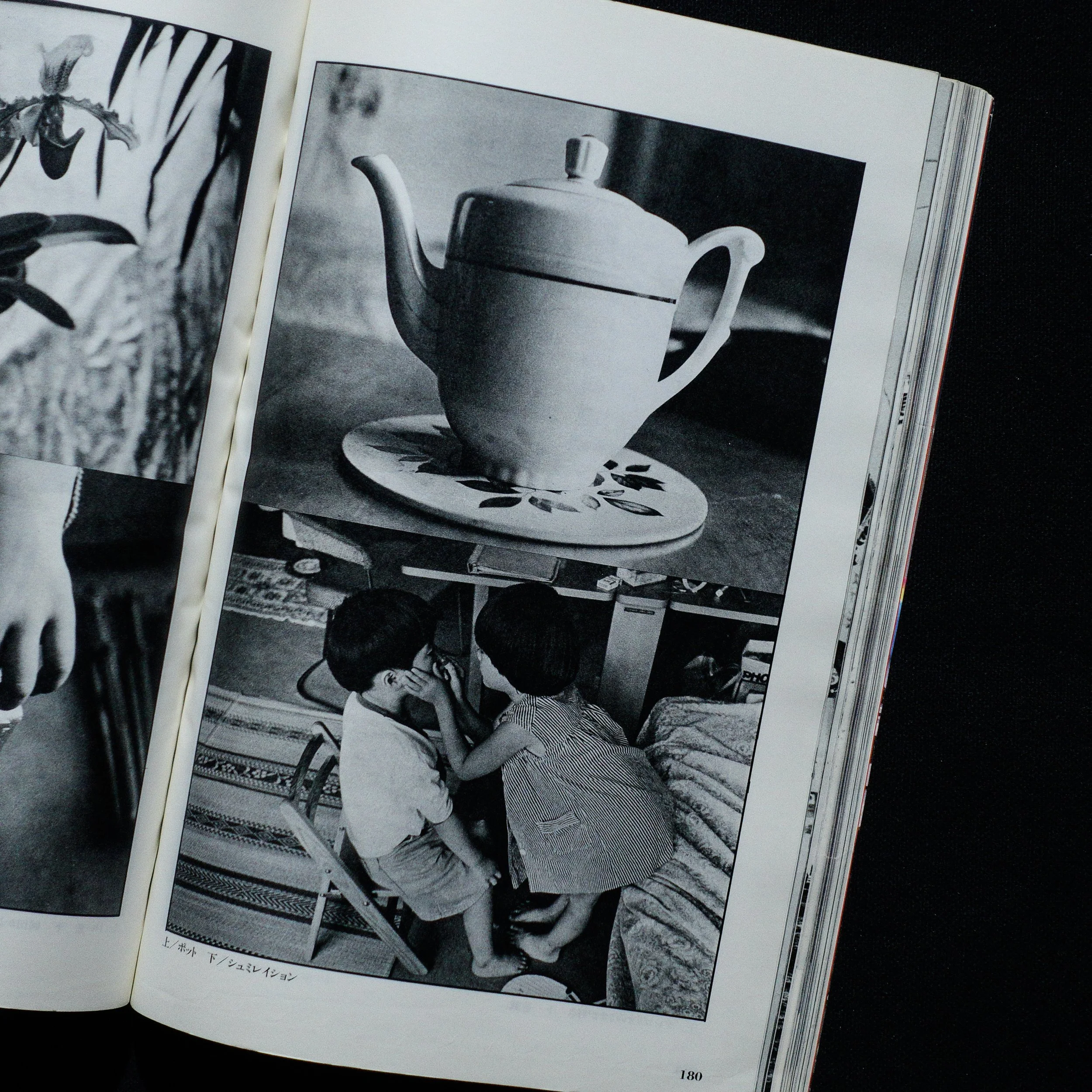

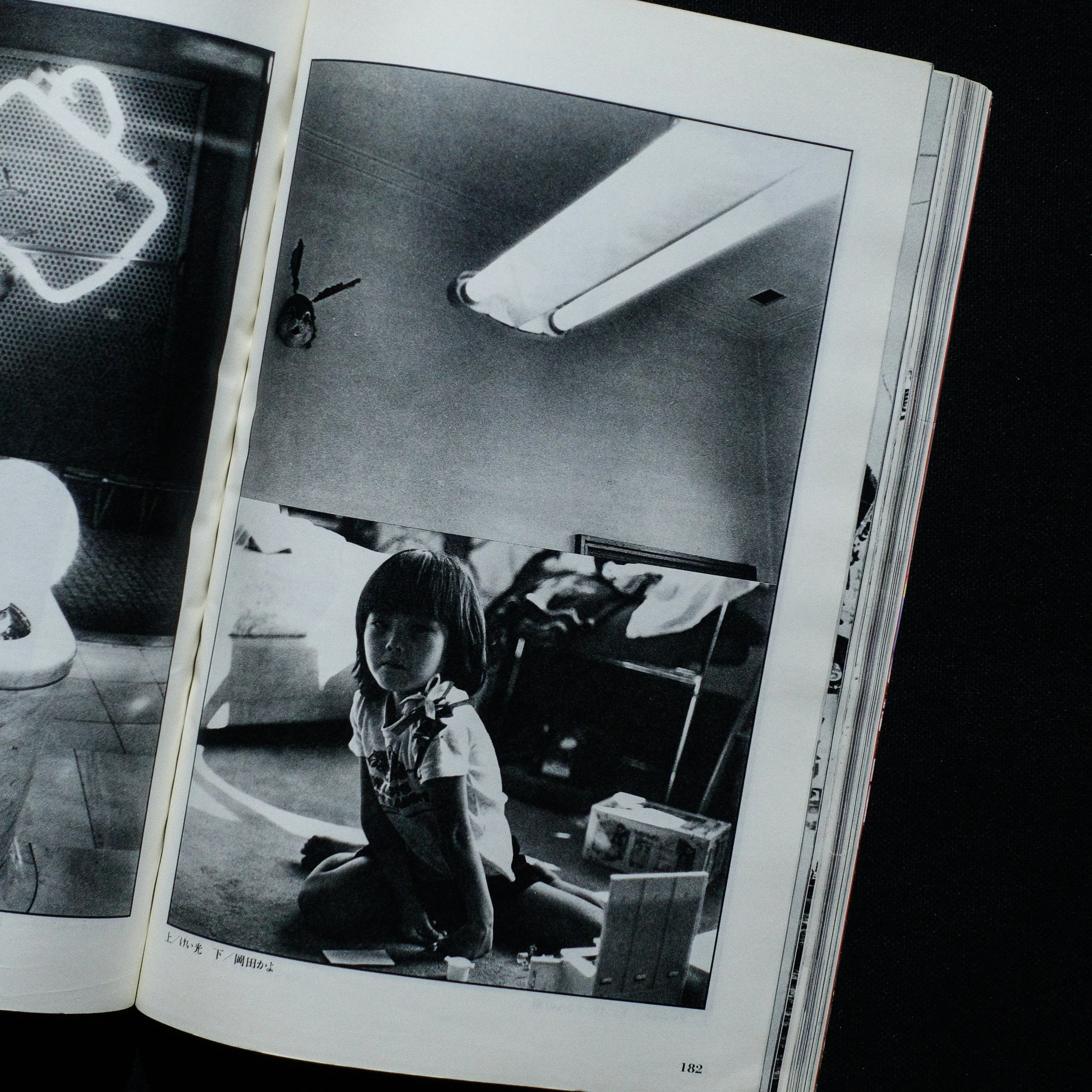
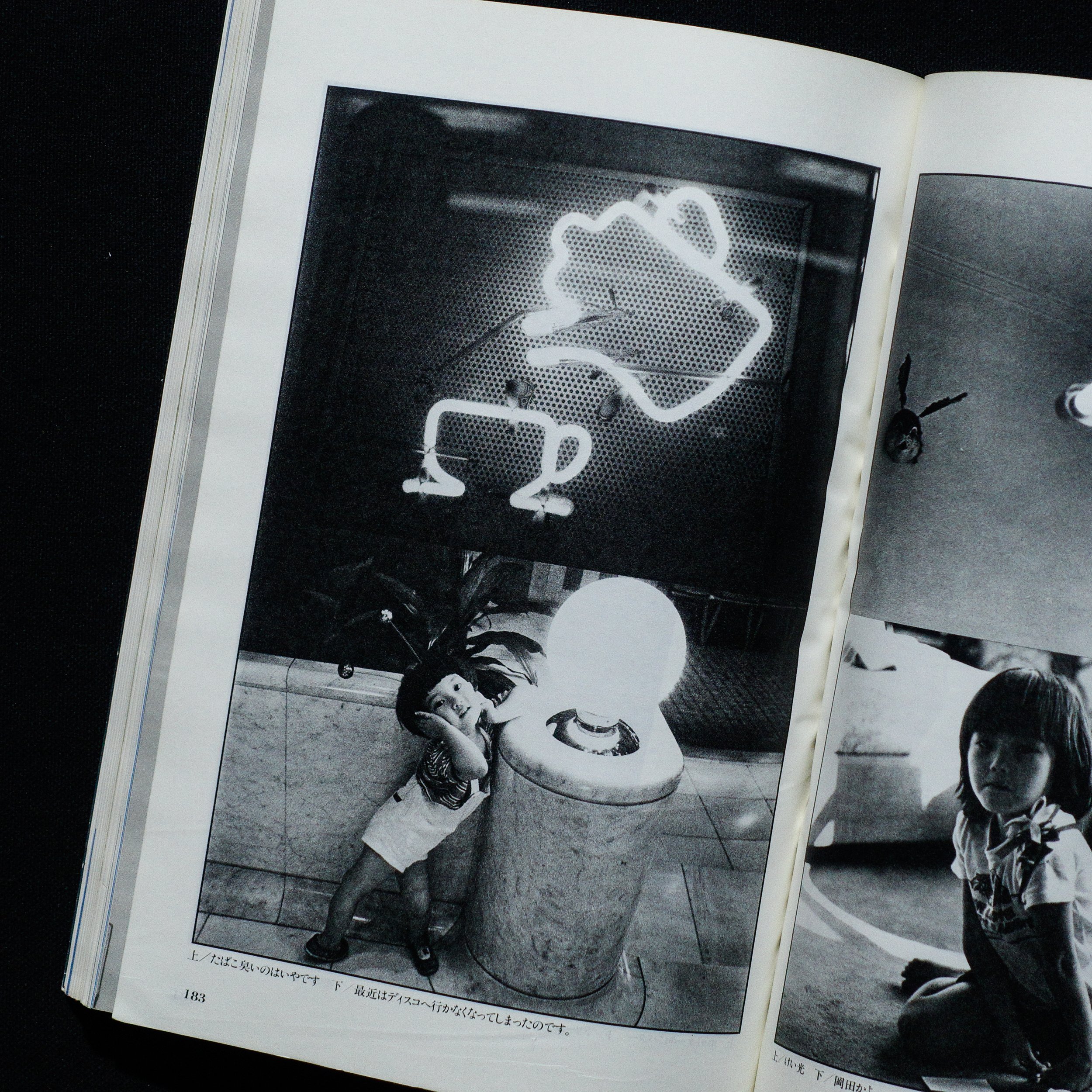
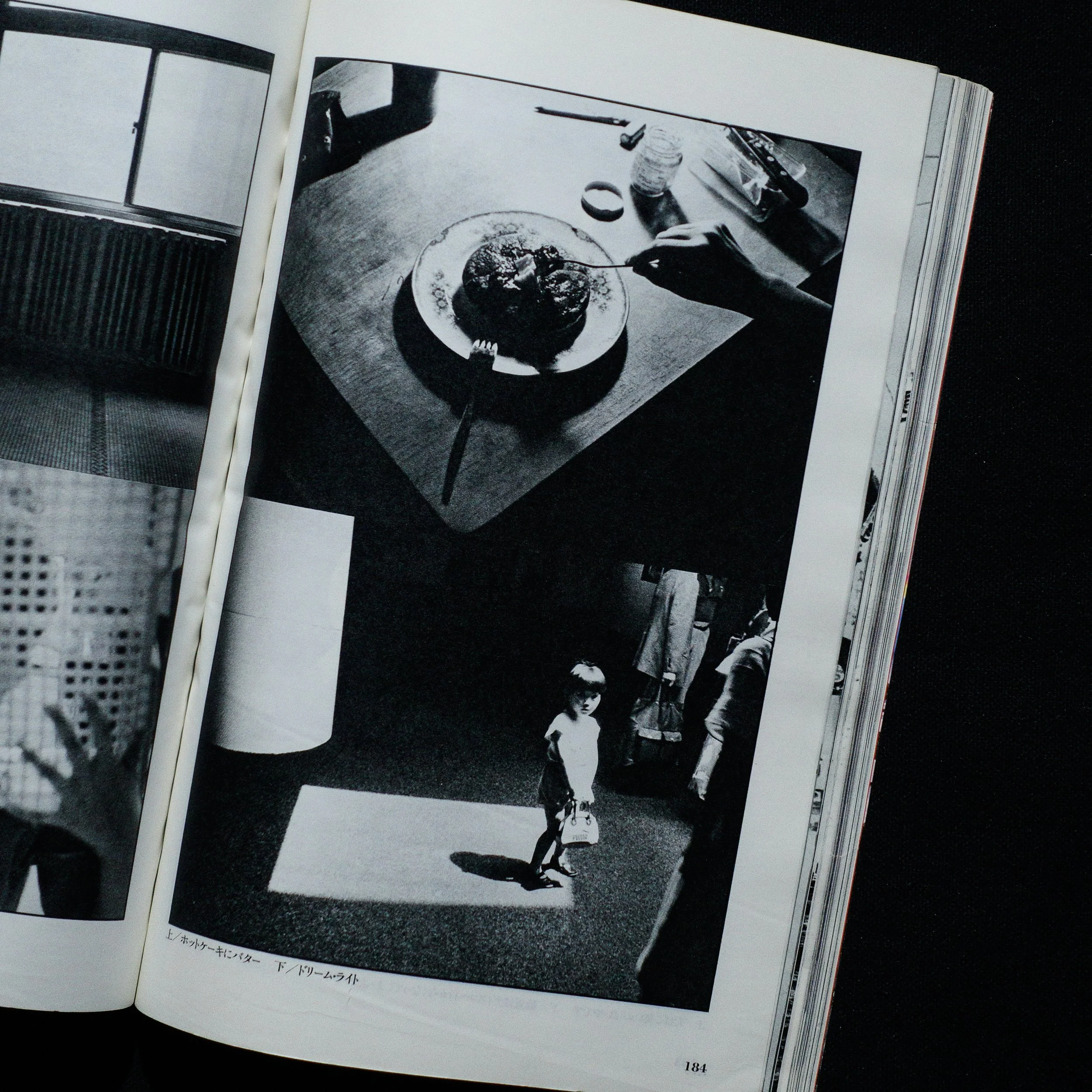
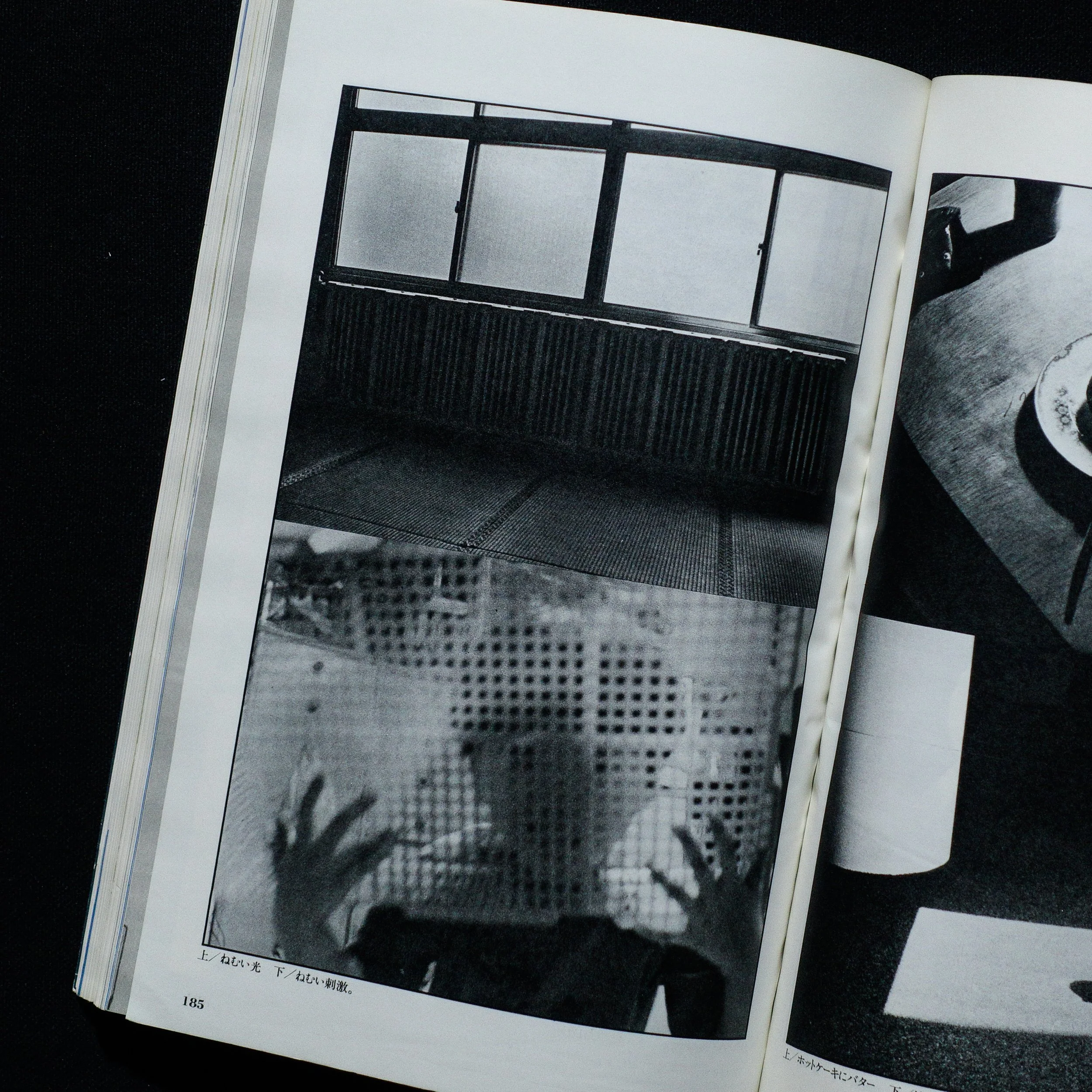
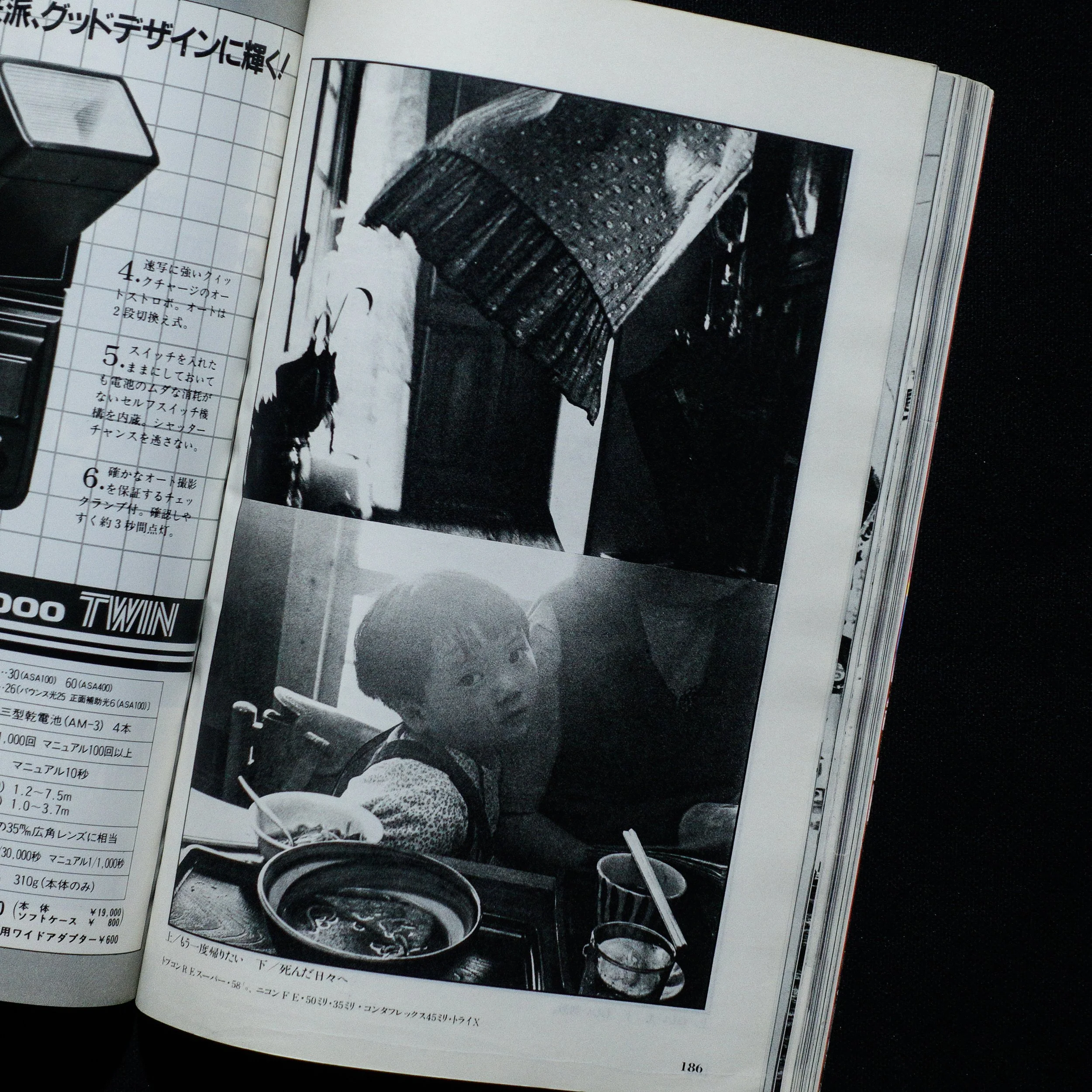
生活-1982年秋
by
島尾伸三╱Shinzo Shimao
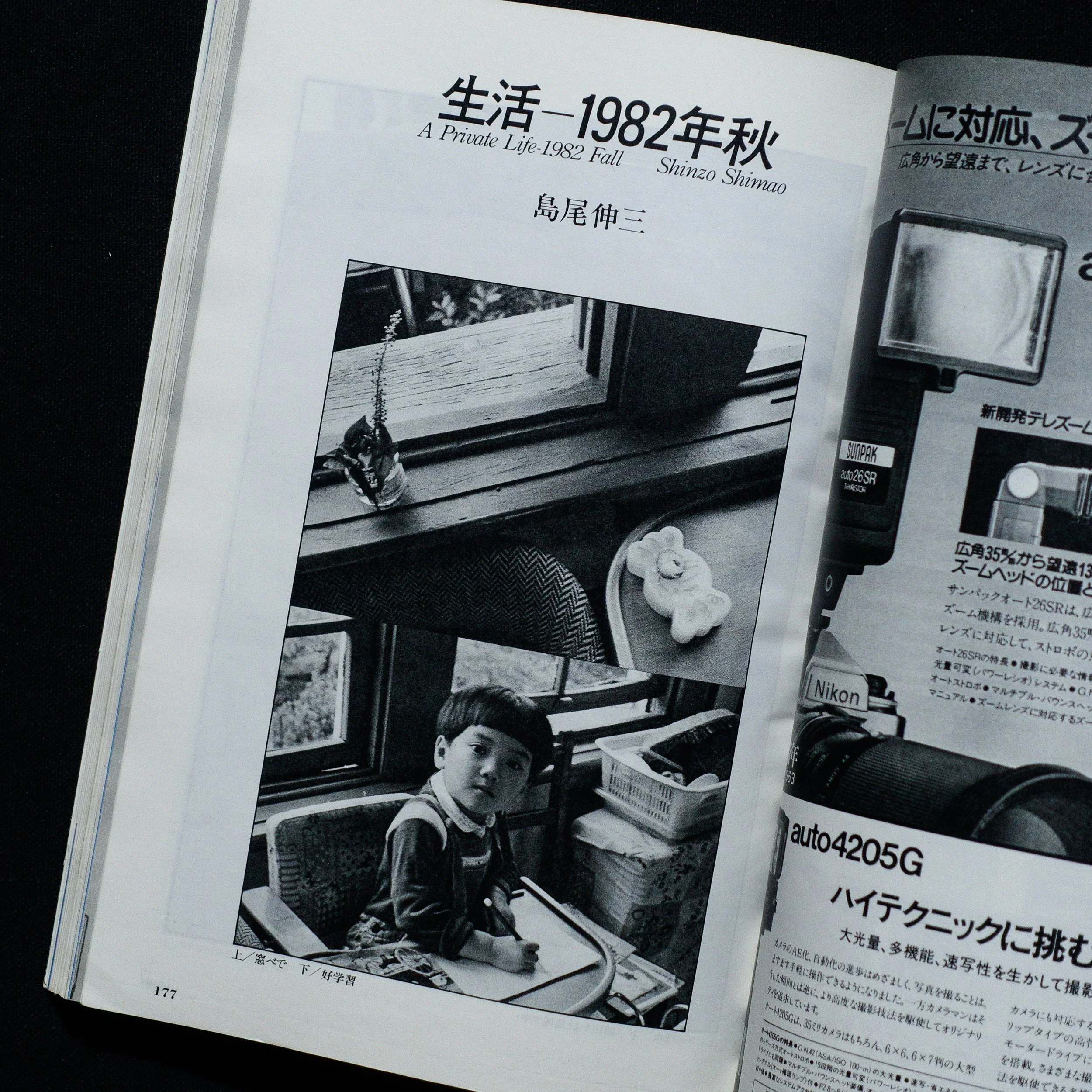
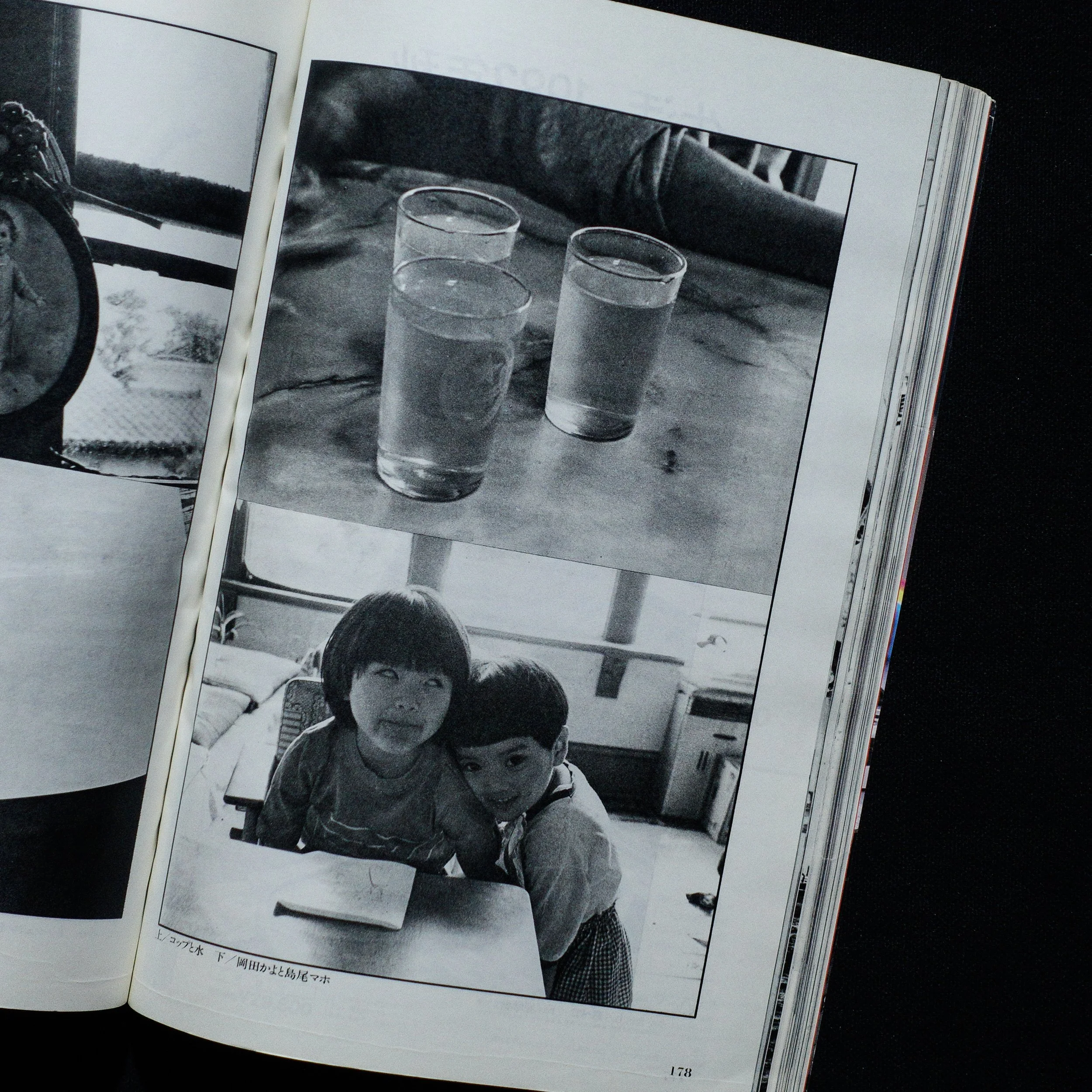
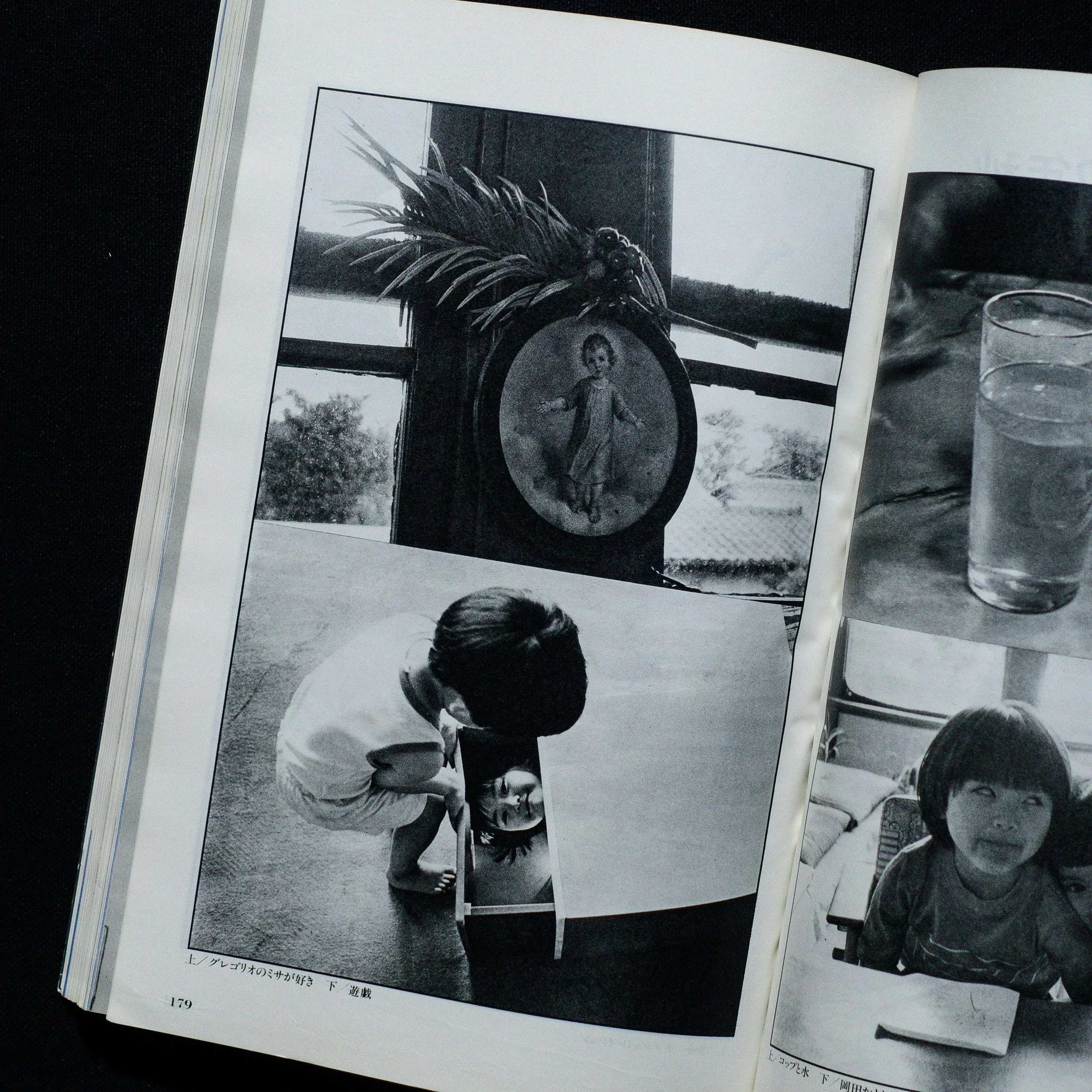
In a 1983 issue of Asahi Camera, a portfolio entitled “Seikatsu – 1982 Fall / A Private Life – 1982 Fall” by Shinzo Shimao was published as a self-contained sequence near the back of the magazine.
Shimao (b. 1948) was born in Kobe and raised on Amami Ōshima as the eldest son of writers Toshio and Miho Shimao. He graduated from Tokyo Zokei University’s photography department in 1974. In 1978 he married photographer Tokuko Ushioda; their daughter Maho was born the same year, and the family moved into a Western-style house in Gotokuji, Tokyo. Over the following years he continued to photograph family life and the domestic spaces they inhabited. The “1982 Fall” portfolio in Asahi Camera can be understood as one segment within this ongoing work.
In 1995 Shimao published the photo-and-essay book Seikatsu – Shashin Zatsubun with Misuzu Shobo, combining 132 photographs with short texts that look back on the years after marriage, when the family of three was taking shape. Booksellers describe the volume as a record of “the everyday of a family in which a single daughter has joined, where time flows in a fulfilled way.” Later, in 2001–2004, he re-edited material centred on his daughter into the photobook Maho-chan, published by Osiris, comprising 96 pages with 82 black-and-white plates. The book is often introduced as a family album that invites readers to recall their own childhood. From this perspective, the 1983 magazine portfolio can be seen as an early public appearance of the larger “Seikatsu” project.
The same Gotokuji house was also photographed from another angle by Tokuko Ushioda. Her two-volume book My Husband, published by Torch Press in 2022, brings together 6×6 and 35mm photographs made between 1978 and the early 1980s. Publishers and reviewers describe the work as documenting both the everyday life of the family and a specific moment in the development of Japan’s photographic infrastructure. Exhibitions and book texts emphasise that the series covers roughly the first five years after Maho’s birth. Taken together, these materials suggest that what we now call “the Shimao family’s life” has gradually formed into a multi-perspective archive, with Shimao, Ushioda and their daughter Maho each returning to the same period through different media.
Placed within a broader photographic context, this group of works titled “Seikatsu” is frequently discussed as part of the 1980s current of shi-shashin, or “I-photography / private photography.” Critics often refer to figures such as Nobuyoshi Araki and Masahisa Fukase when tracing how diary-like practices brought intimate relationships and autobiographical experience into the public sphere. Compared with these more intense and openly confessional examples, Shimao’s “Seikatsu” appears relatively quiet and restrained, yet its trajectory is quite clear: first tested in the framework of a general-interest photography magazine, and later consolidated in books. For viewers today, these few pages from Asahi Camera offer a compact primary source for considering how private life was received and mediated by photographic institutions in the early 1980s.
