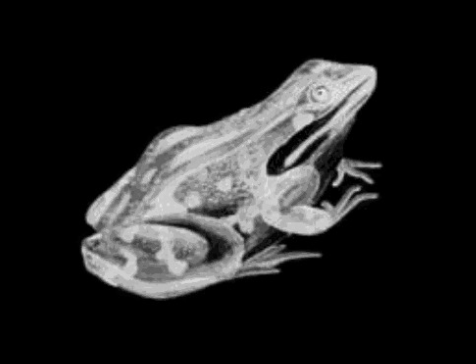

Kyō (Evil)
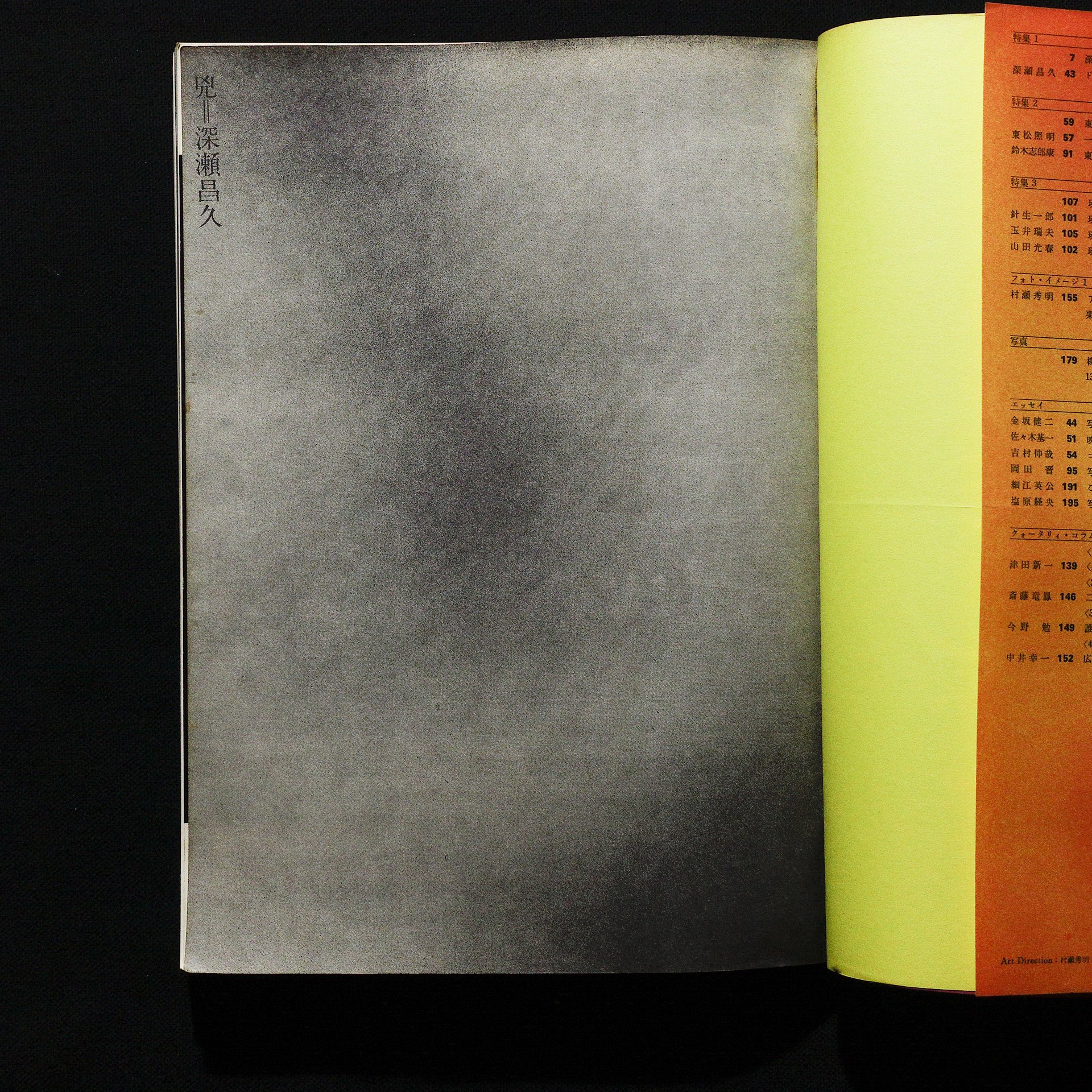

兇
by
深瀬昌久╱Masahisa Fukase
In 1969, a short-lived photography quarterly titled Kikan Shashin Eizō (The Photo Image) appeared in Japan. Published by Shashin Hyōron-sha, it ran for only ten issues between 1969 and 1971, yet briefly gathered many of the era’s more radical photographers onto the same platform, and is now often seen as a snapshot of Japanese photography on the verge of the 1970s.
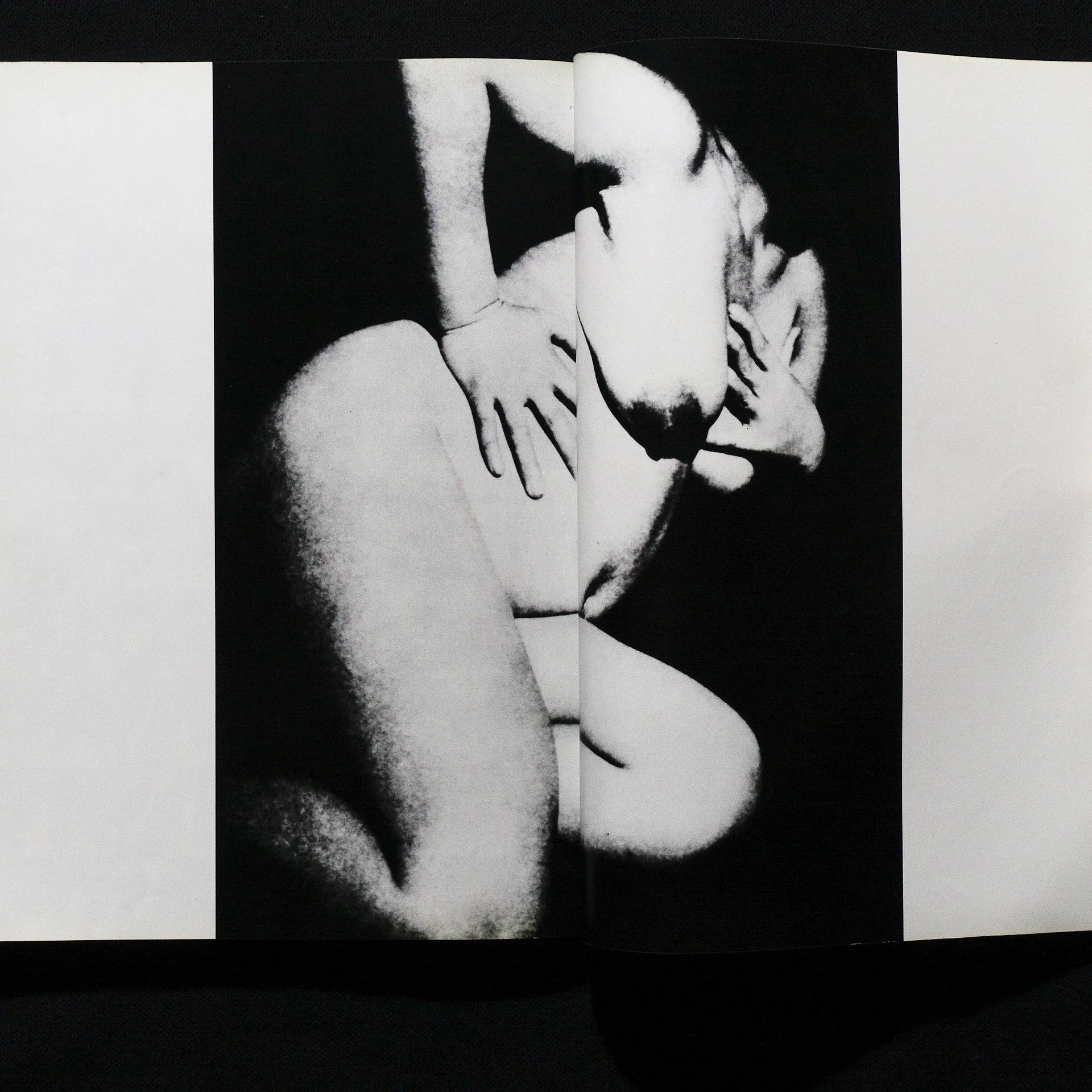
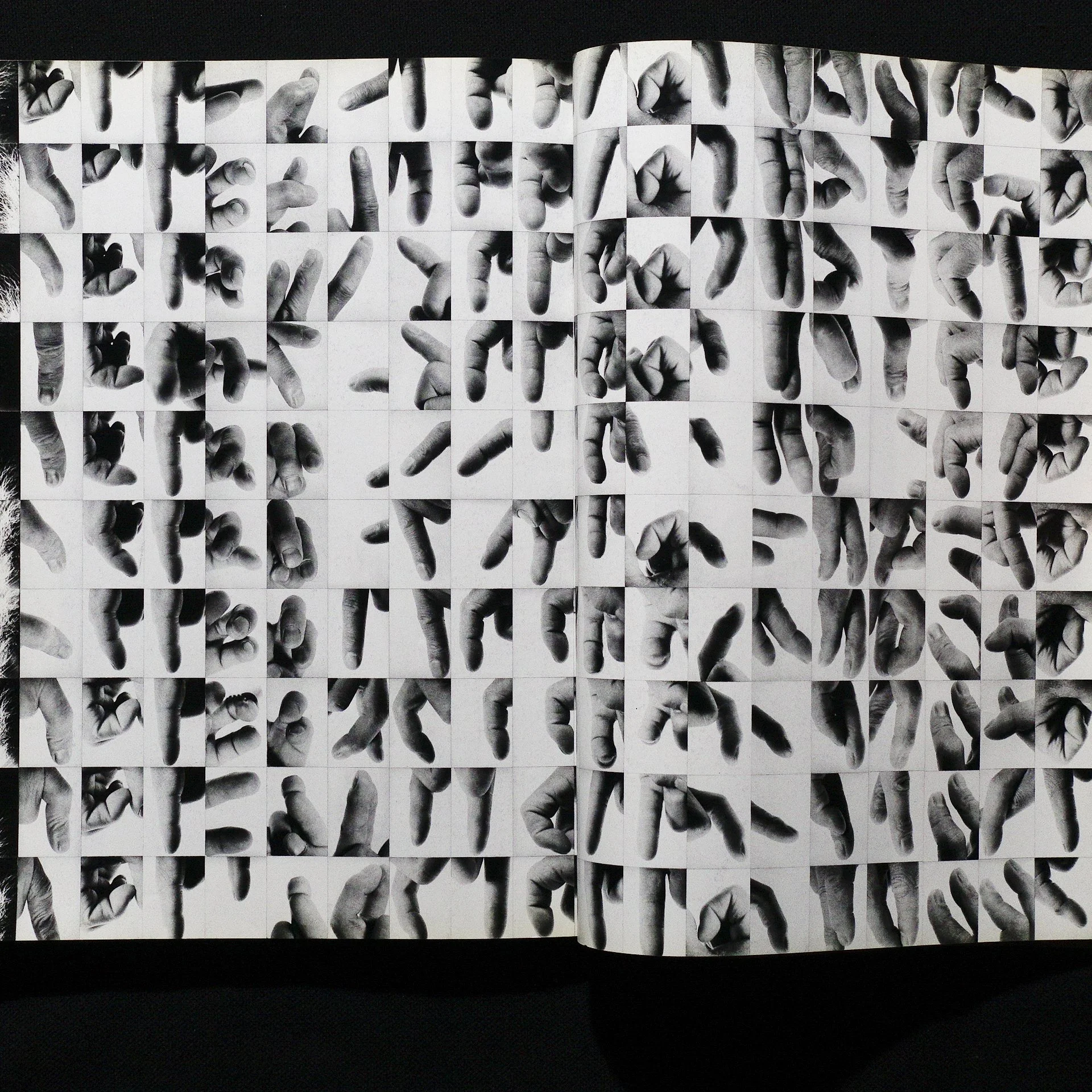
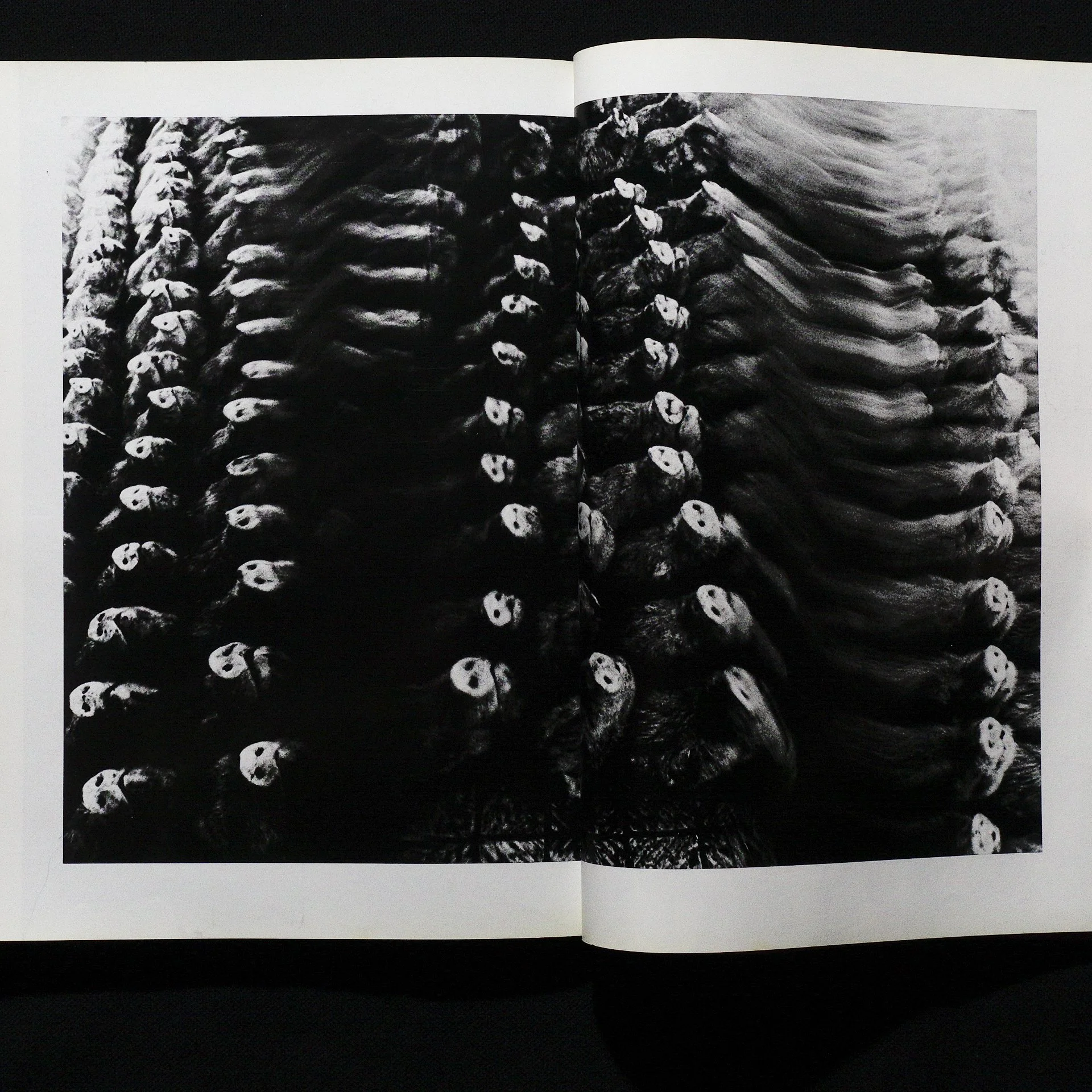
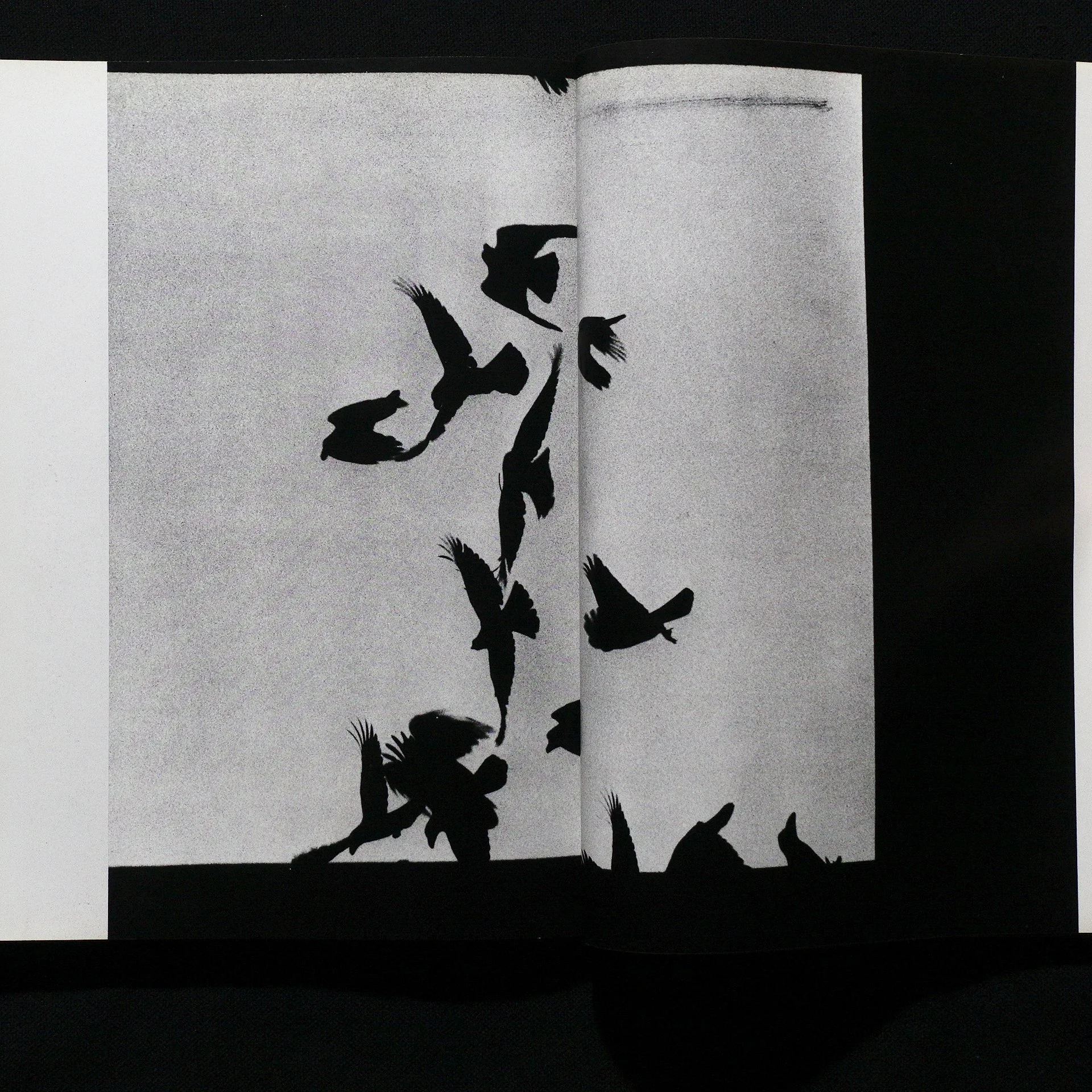
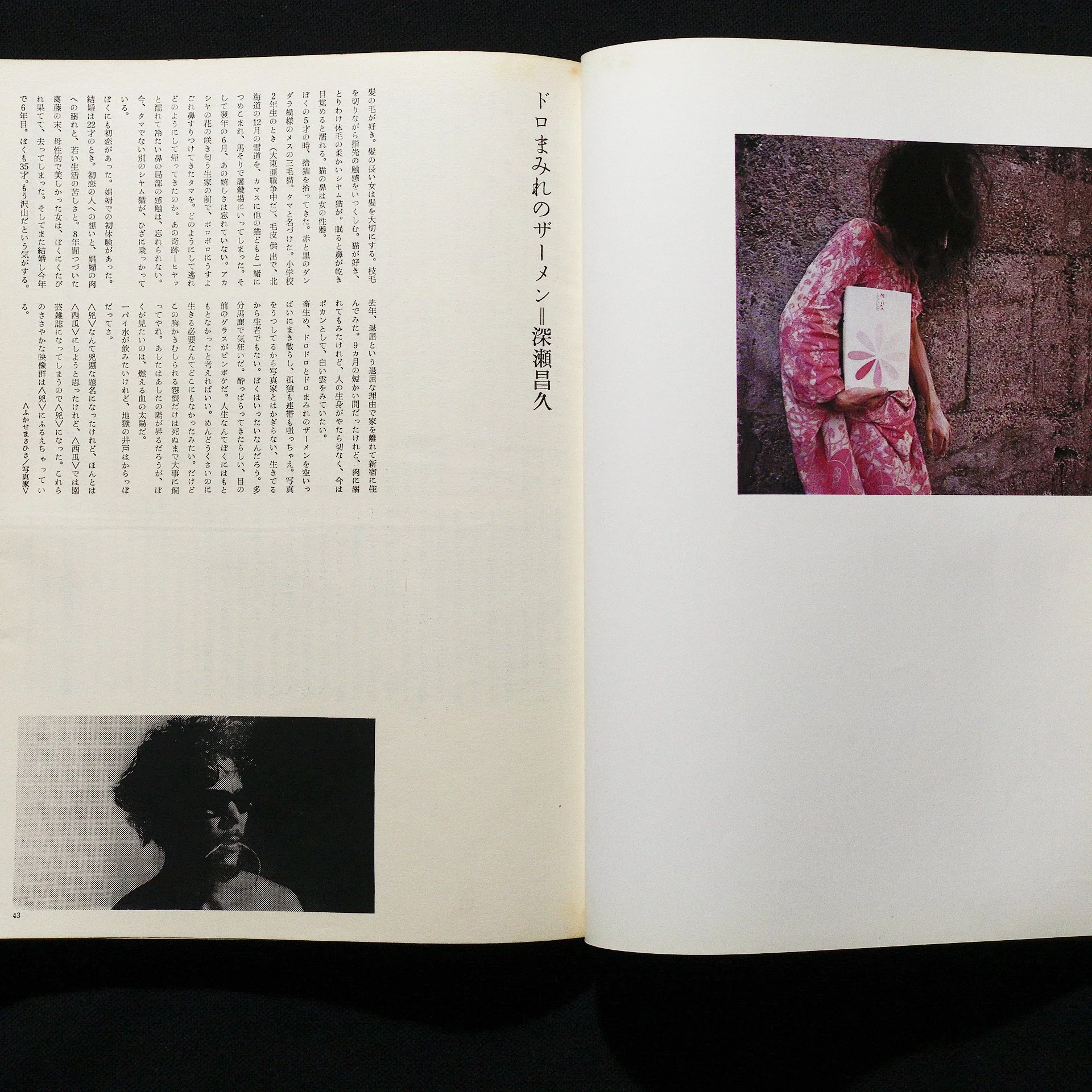
In issue no.2, the first “Special Feature I” is devoted entirely to Masahisa Fukase under the heading “Masahisa Fukase Works = Kyō (Evil)”. The section falls into three layers: a black-and-white sequence, a following colour sequence, and an essay at the end titled “Doro-mamire no Zāmen” (“Semen Covered in Mud”).
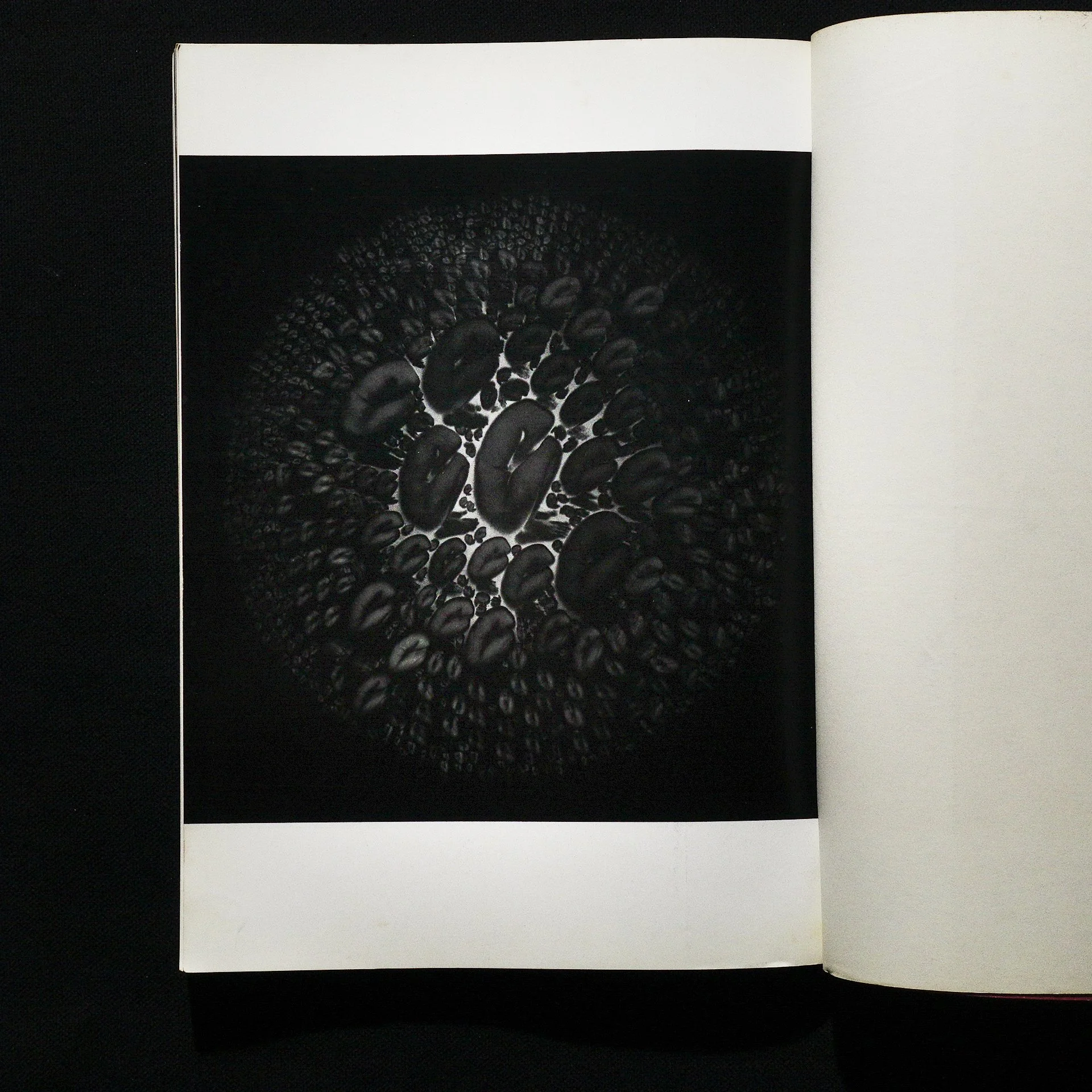
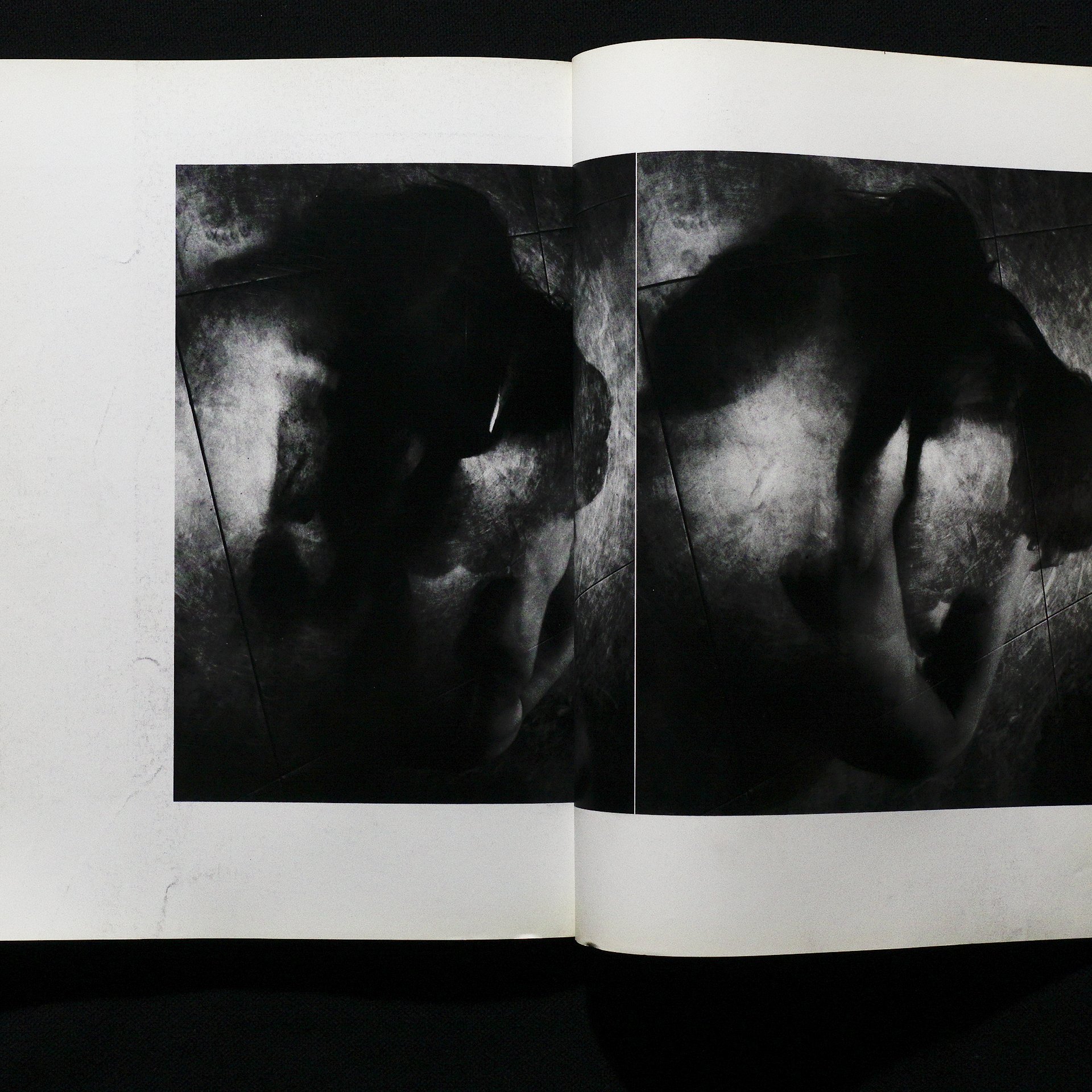
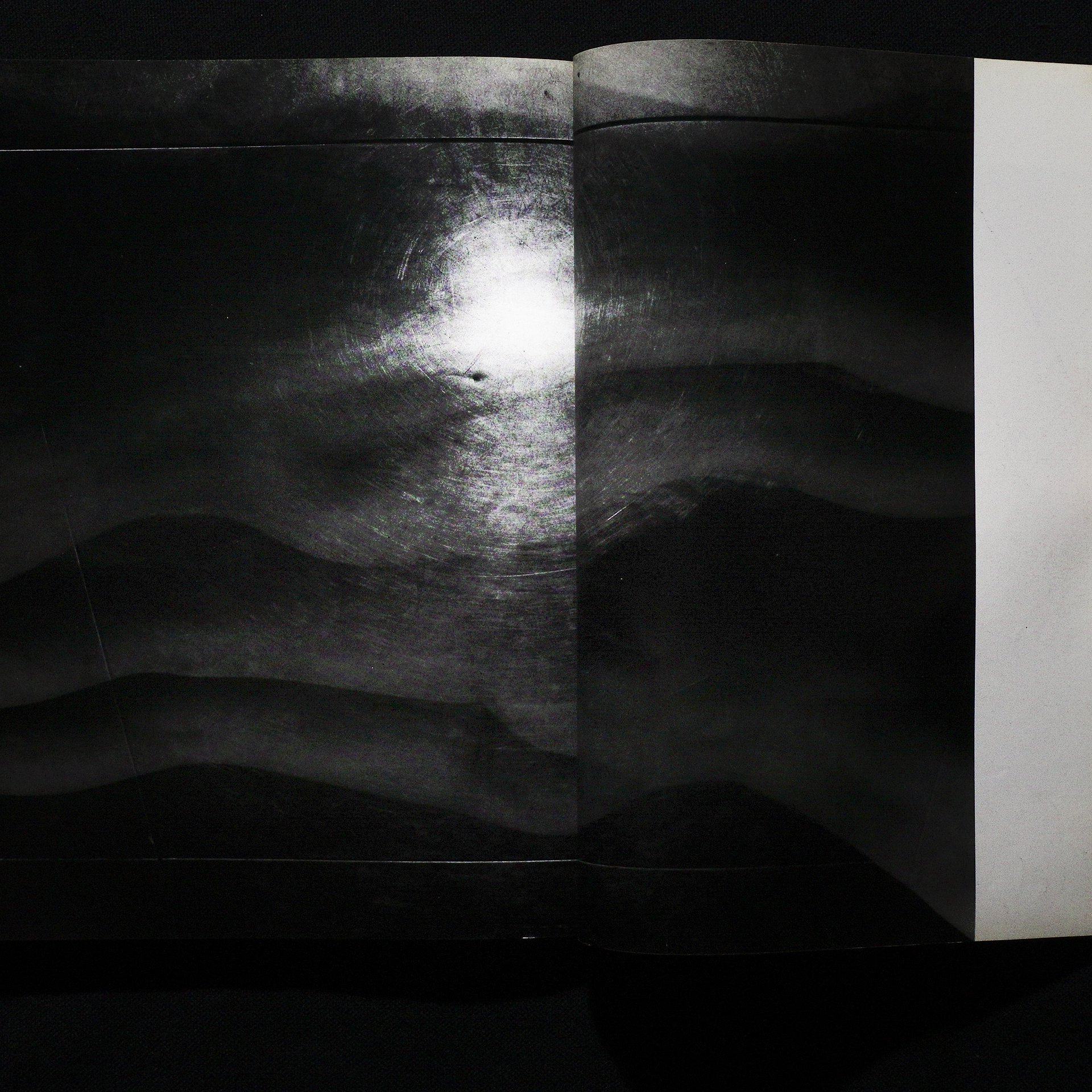
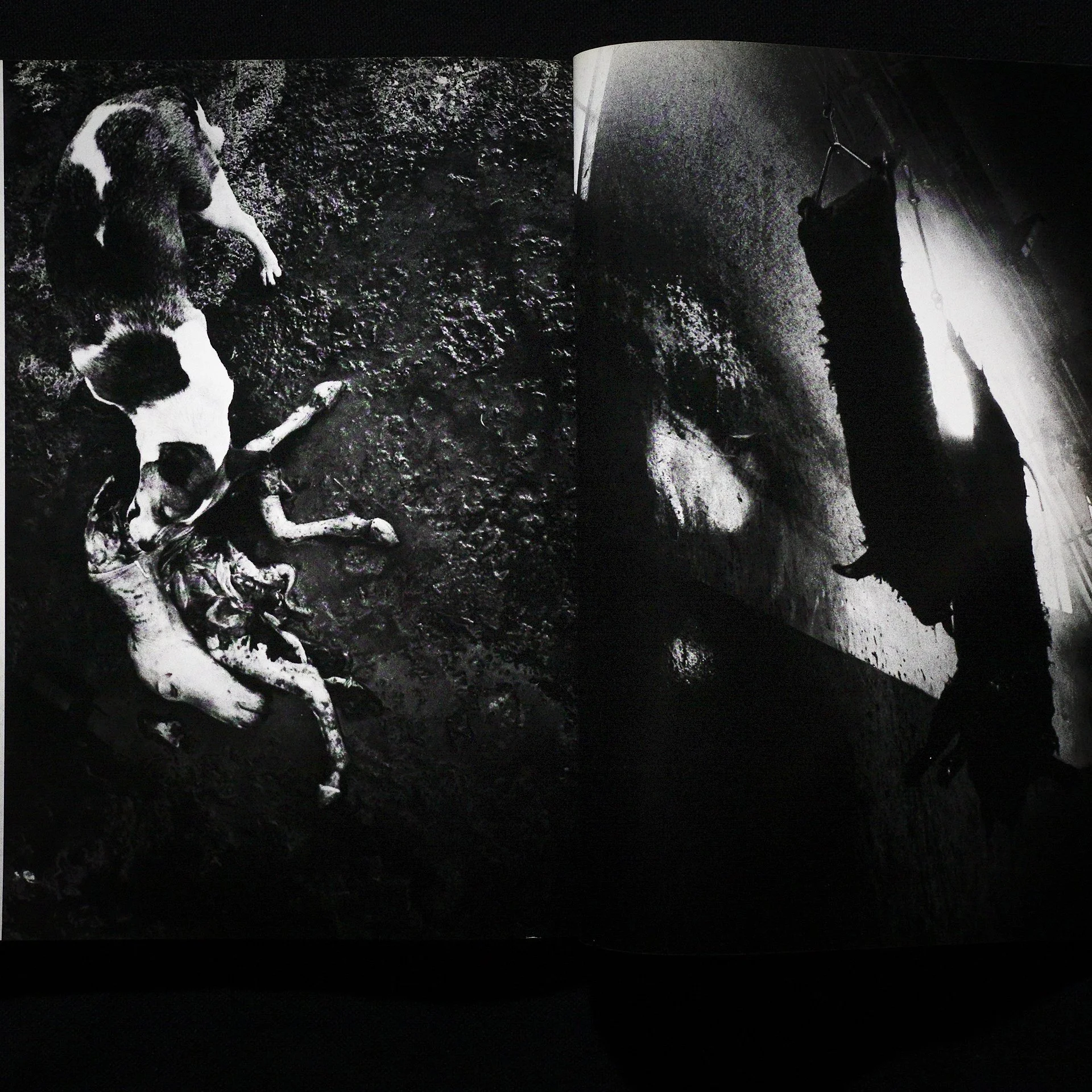
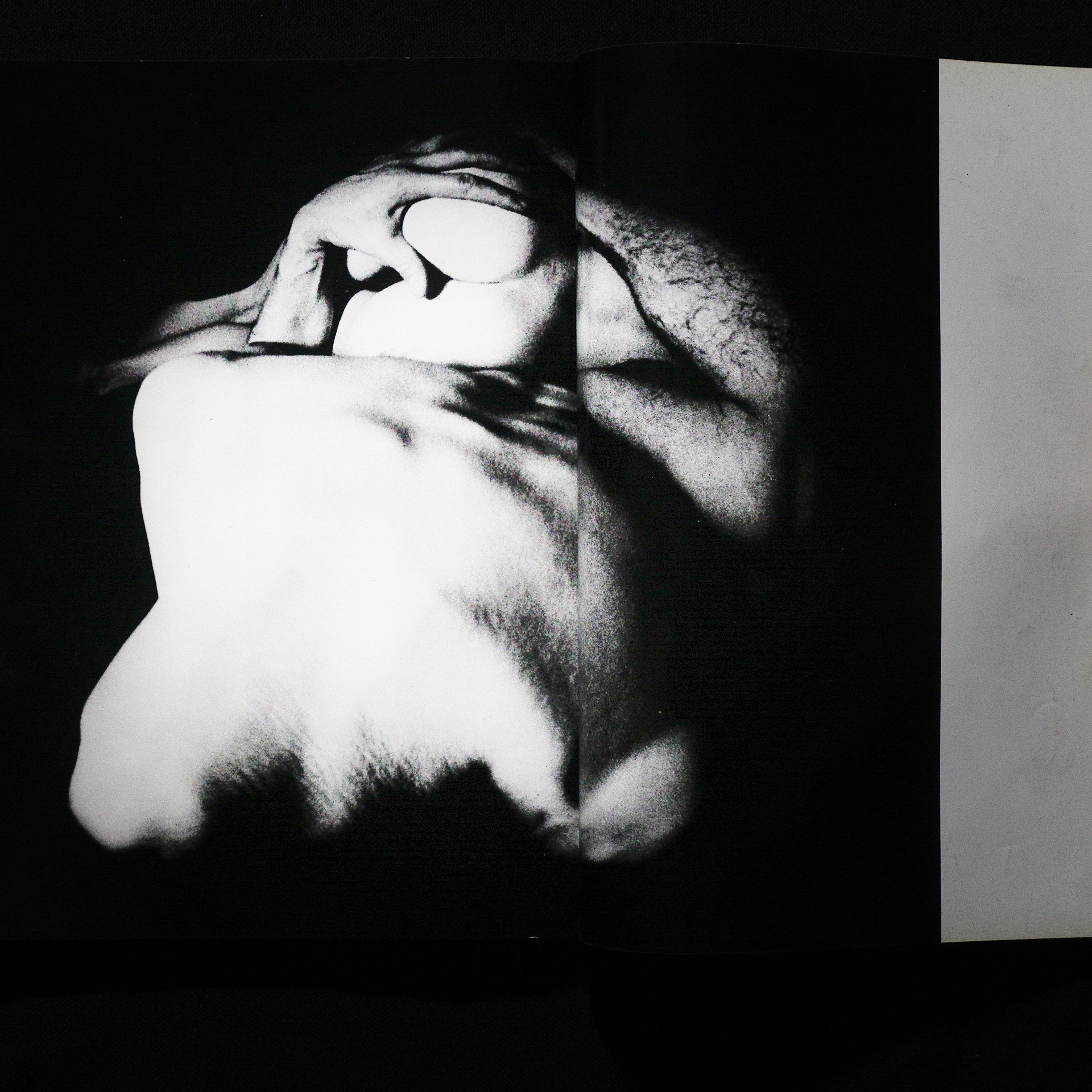
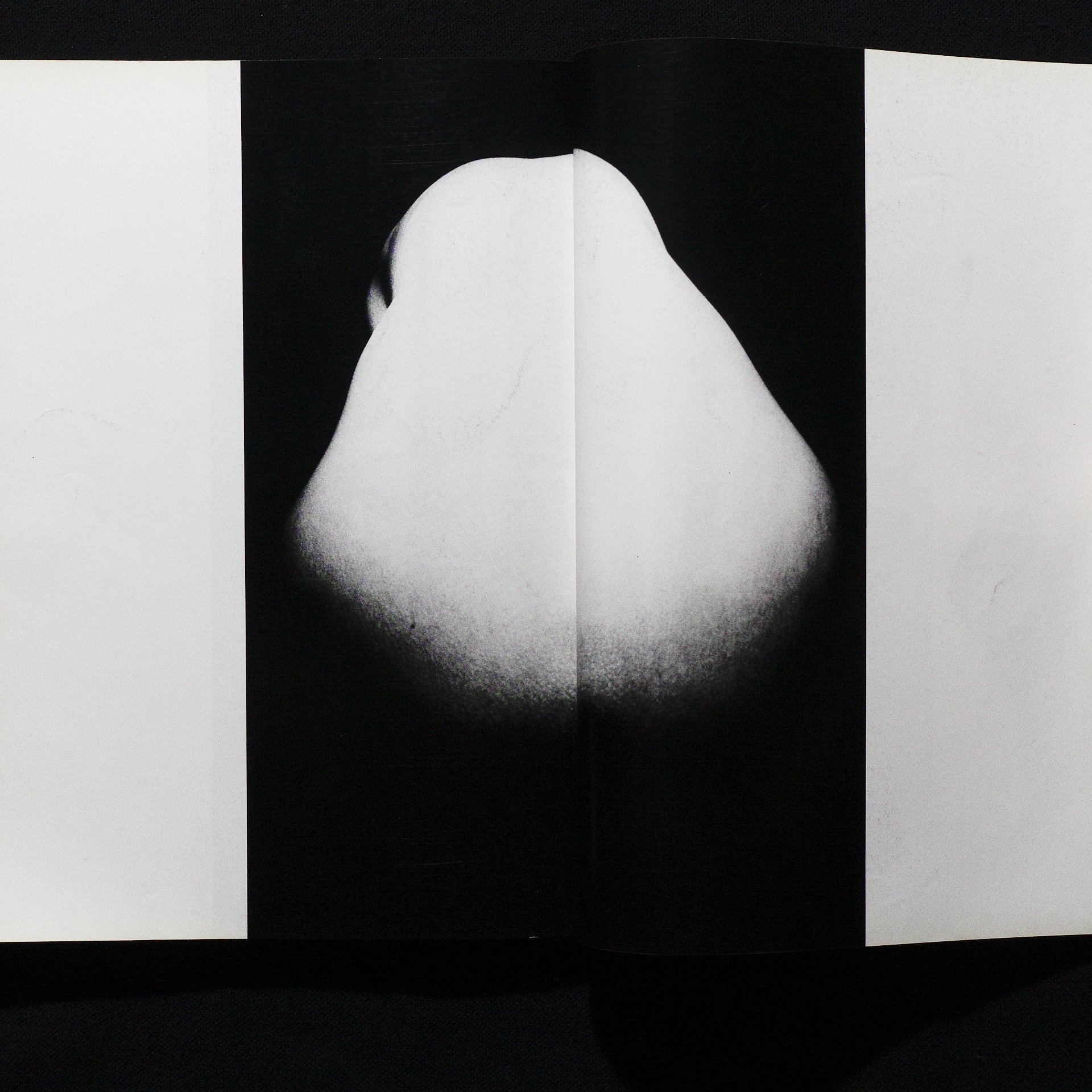
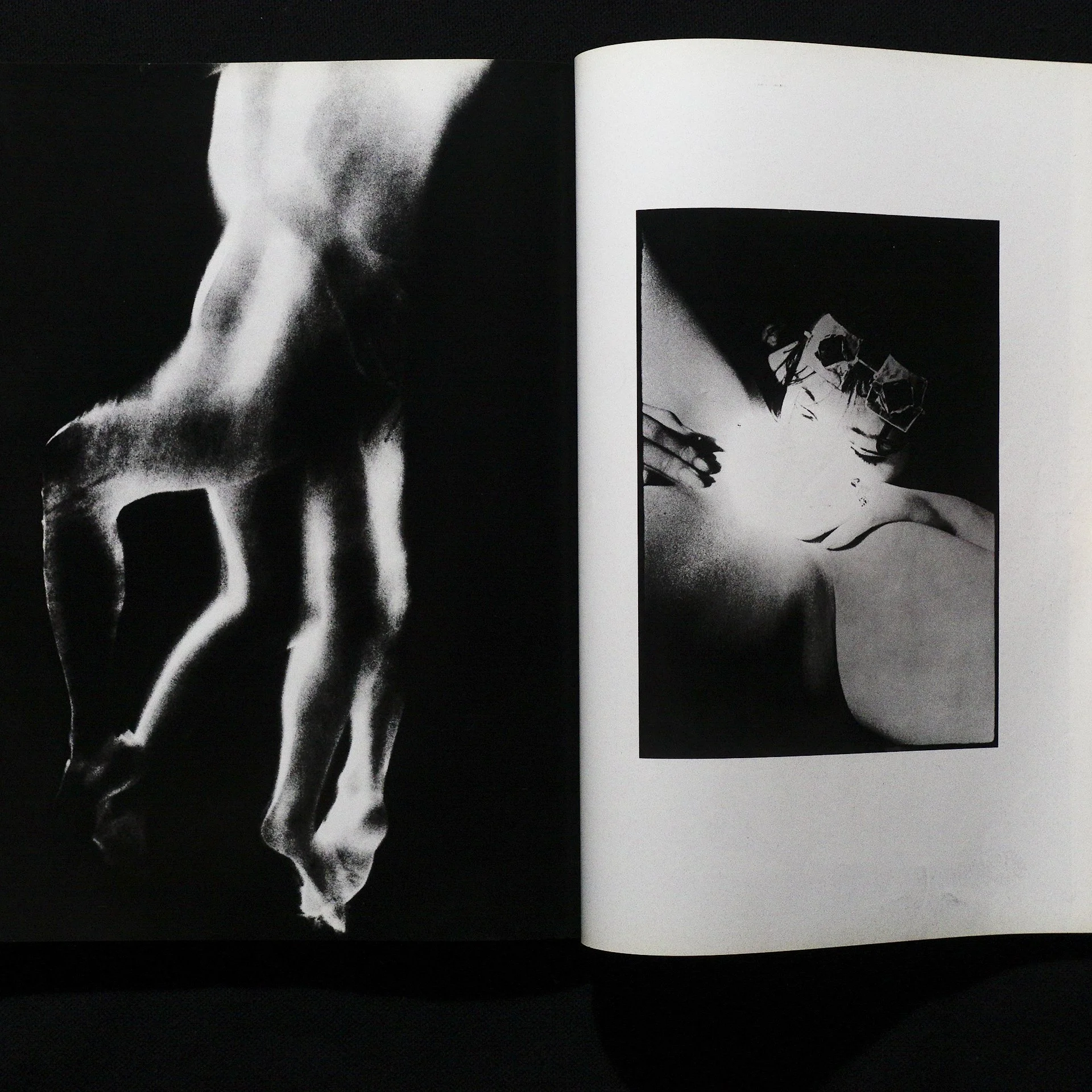
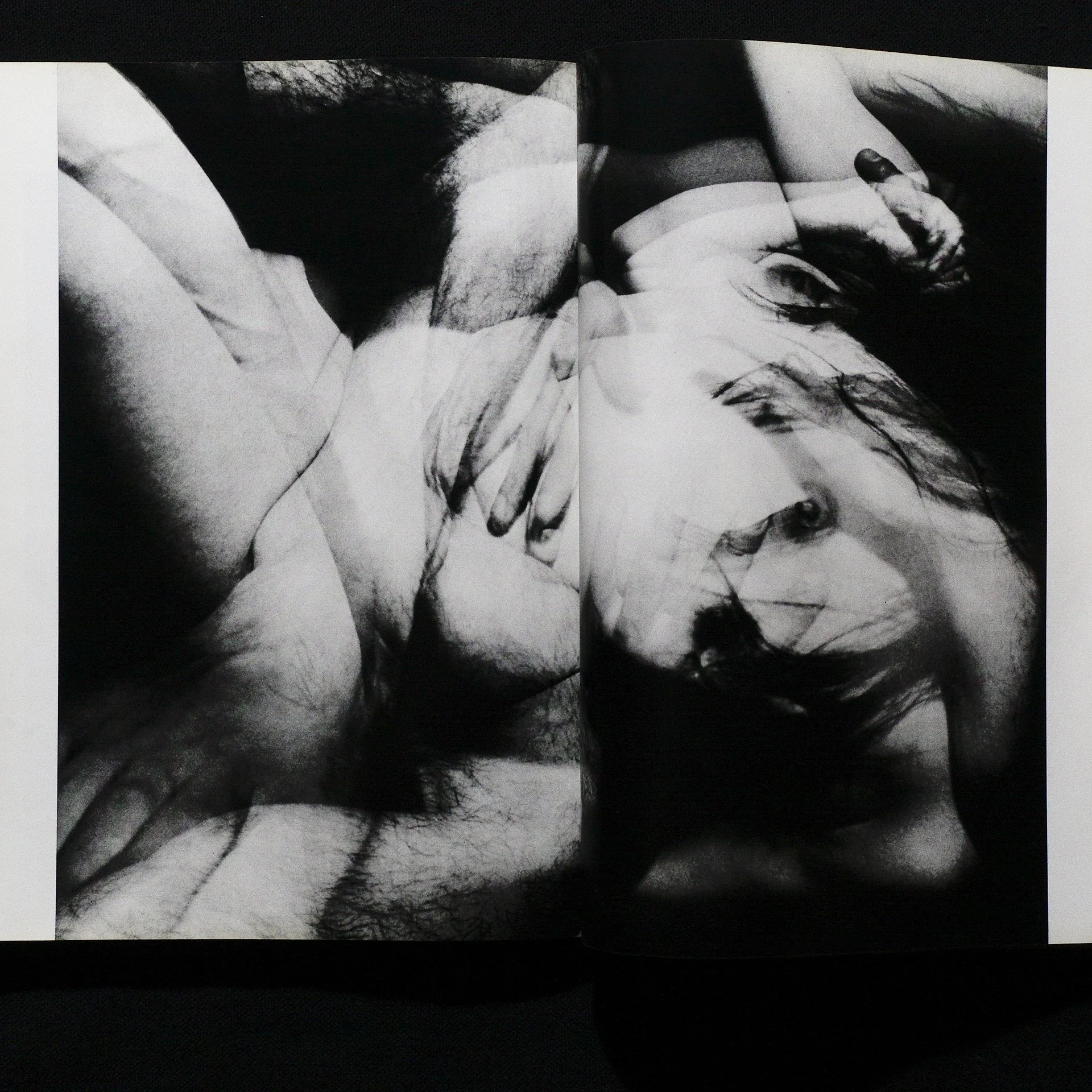
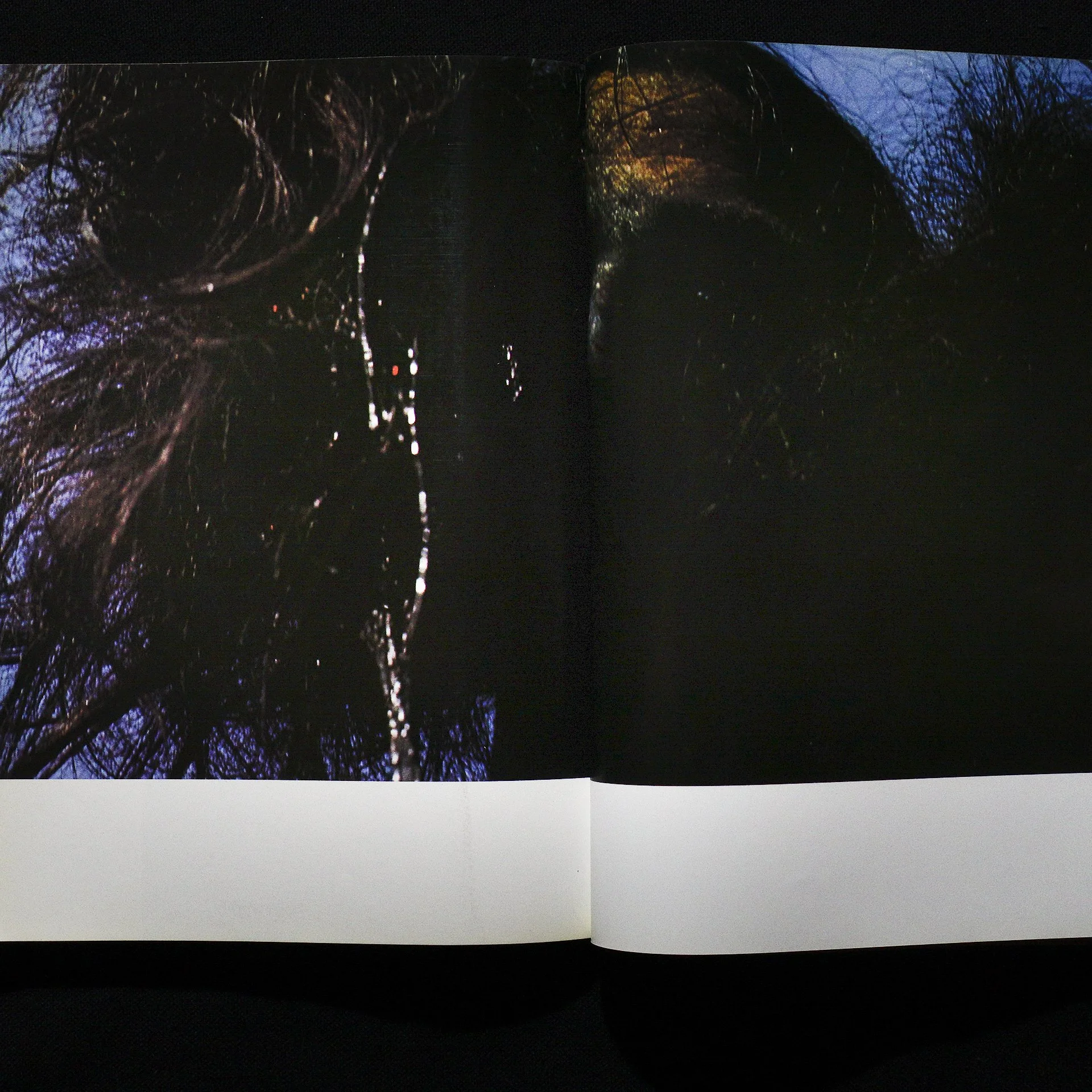
The monochrome work circles around the question of the body, but goes far beyond conventional nude studies. Motifs that would later be separated into distinct series already coexist here: the cold brutality drawn from slaughterhouse experience, extremely close fragments of flesh and hands, and early shadows of the ravens that would eventually form Karasu (Ravens). What later becomes Kill the Pig, Yōko and Ravens is, in Kyō, still compressed into a single dense chapter.
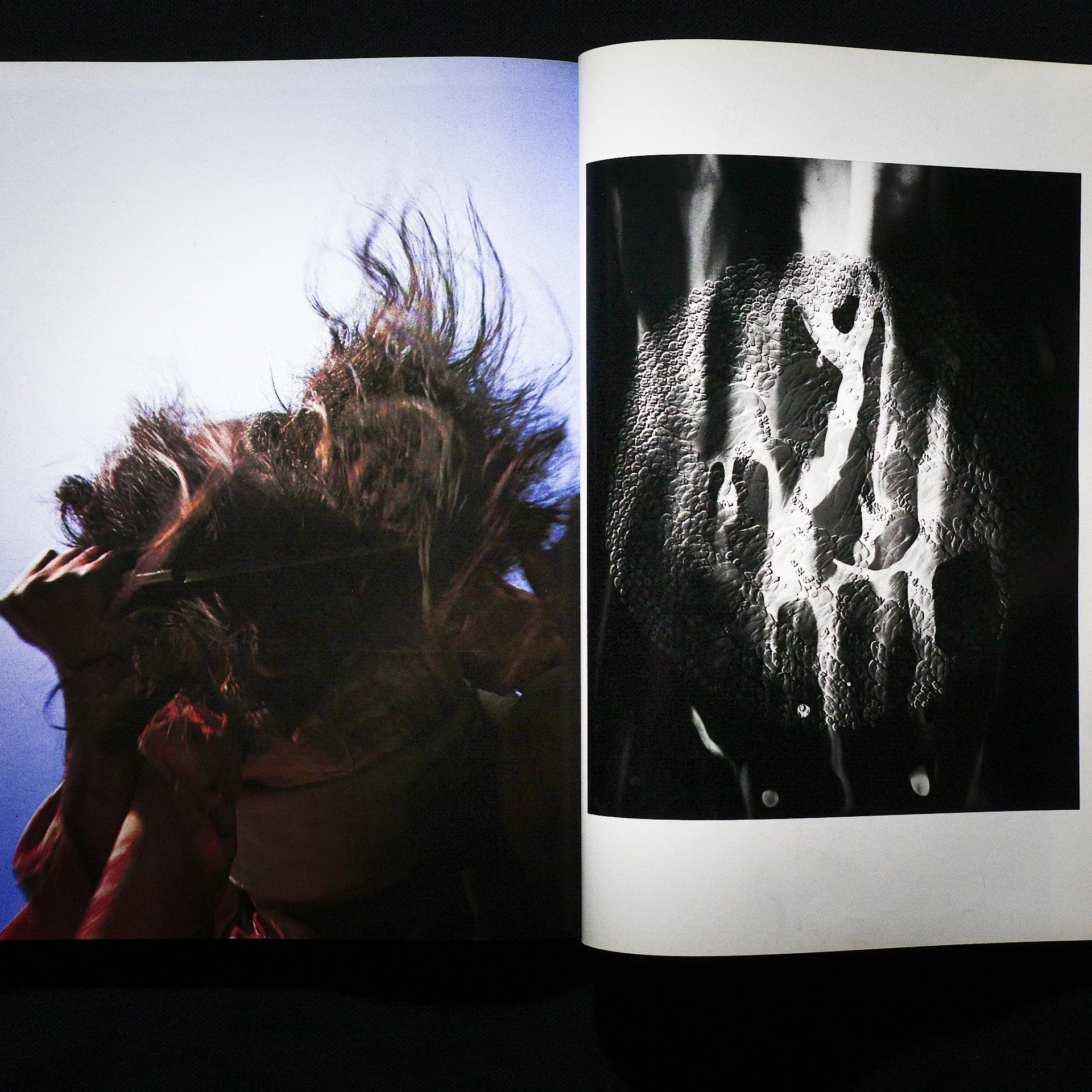
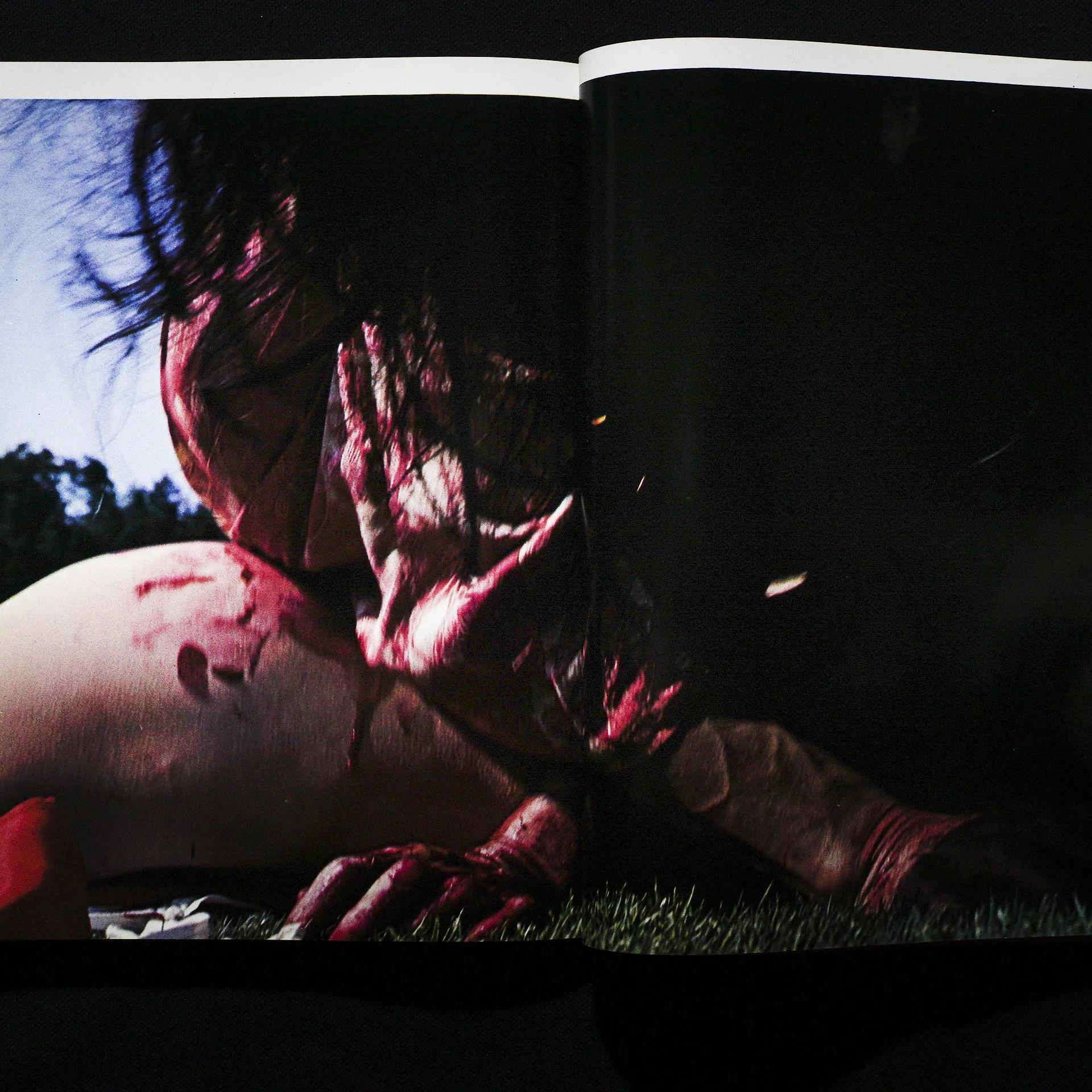
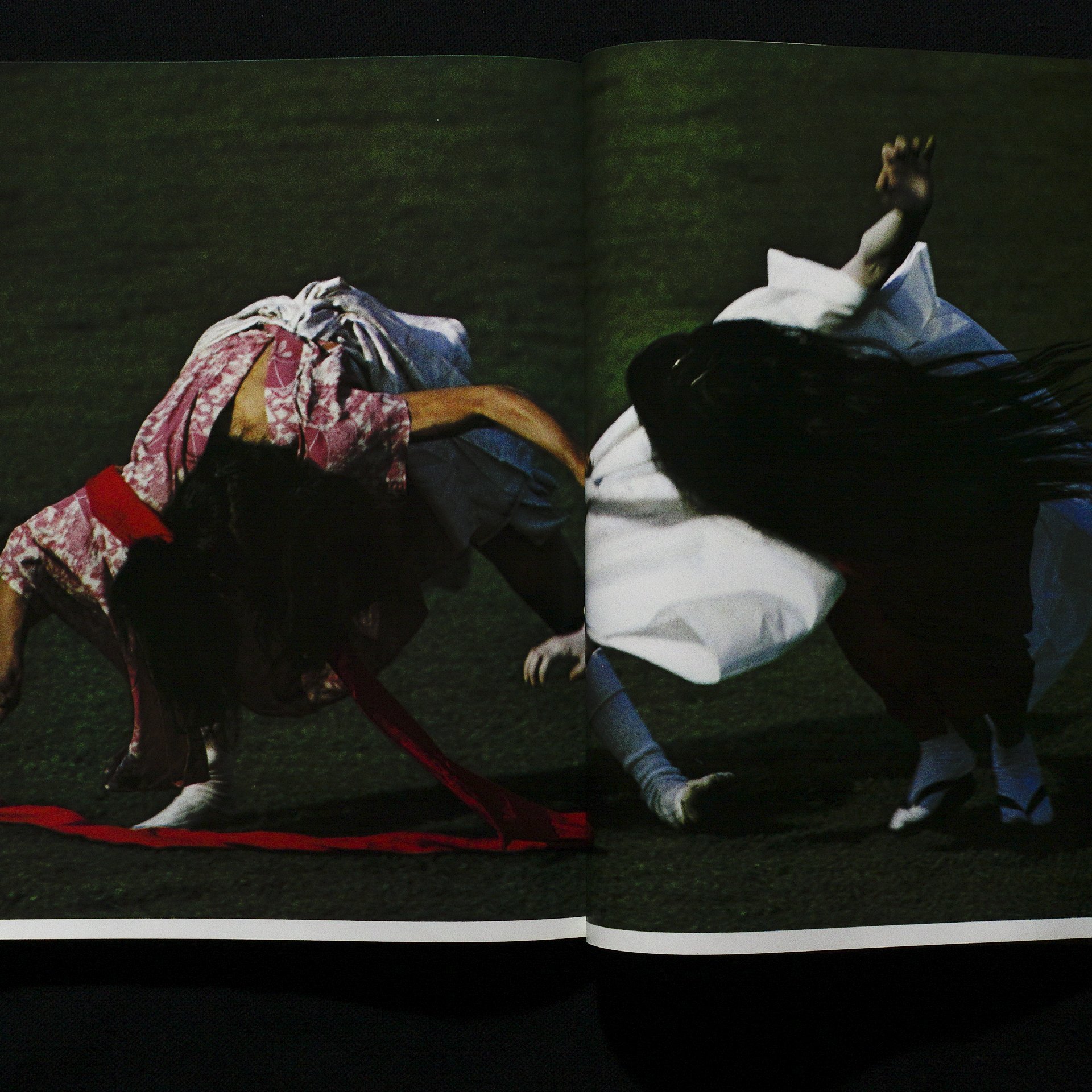
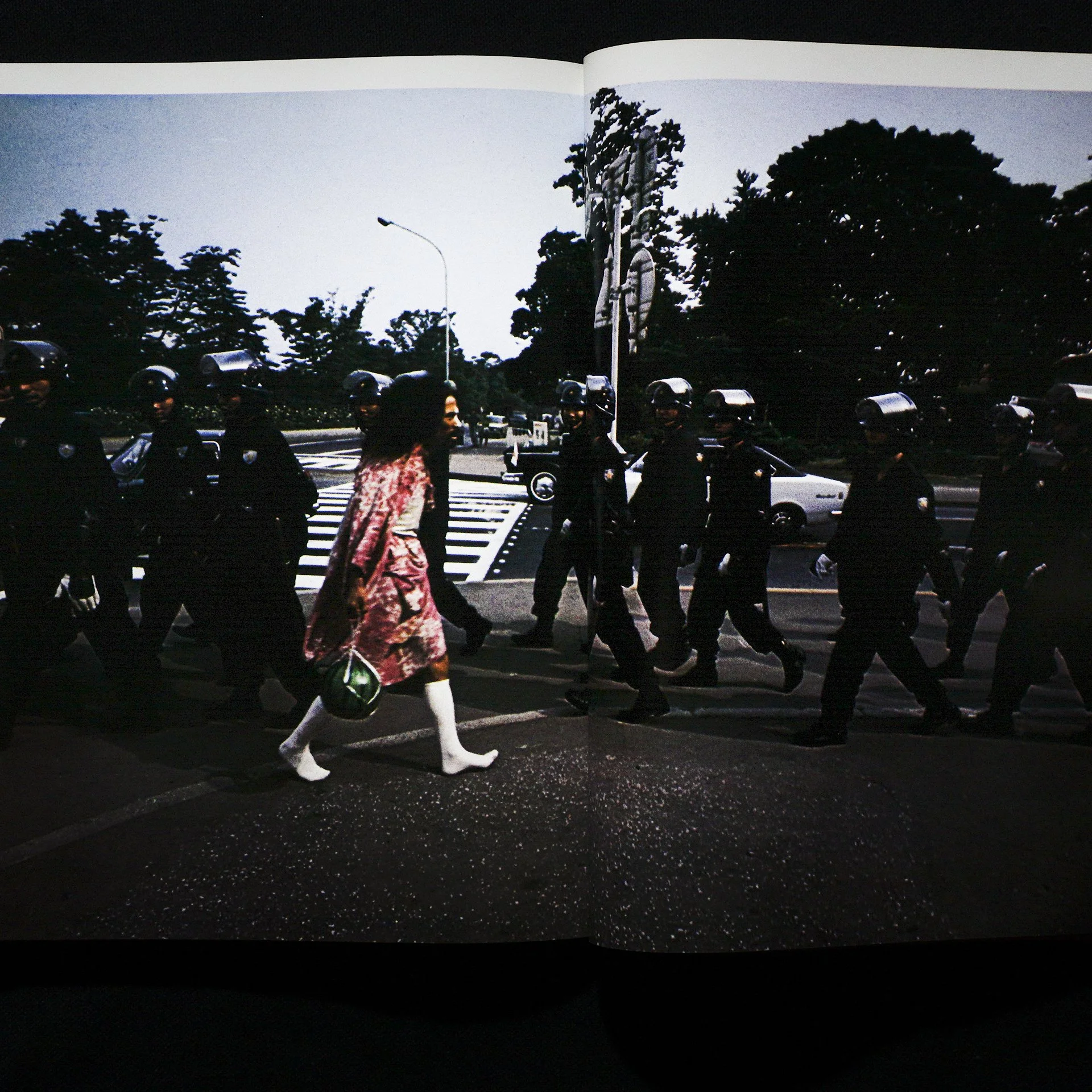
The colour section shifts this same set of concerns onto another figure: butoh choreographer Tatsumi Hijikata. Fukase places Hijikata’s body within the concrete atmosphere of late-1960s Tokyo—streets, open ground, machinery, wiring—and introduces the “watermelon” motif that subsequent exhibitions and archives would repeatedly return to. On one side stand the increasingly ordinary symbols of consumer life in a period of high economic growth; on the other, social tensions that have not entirely subsided. Hijikata’s dancing body ties these strands together, making this feature one of the most resistant to simple categorisation in the whole magazine.
Fukase’s concluding essay, “Semen Covered in Mud”, reads like a written confession for the work as a whole. It moves from childhood memories of wartime fur-collection and the slaughterhouse to family life, marriage, sexual encounters and a brief stay in Shinjuku, its tone oscillating between self-mockery and resentment. The final line—“These modest clusters of images are trembling inside Kyō”—pulls the slaughterhouse, the butoh body and the photographer’s own private history back under a single title.
Seen within Fukase’s broader timeline, Kyō in this issue of Kikan Shashin Eizō feels like an over-concentrated solution. The quarterly itself disappeared quickly, but this feature remains as a rare, sharply cut cross-section of both Fukase’s practice and that particular moment in Japanese photography.
Full text of “Semen Covered in Mud”—original Japanese, English and Traditional Chinese—is now on: members-only.fofofoto.com
