
Works of Japan’s 24 Contemporary Photographers Pt.3
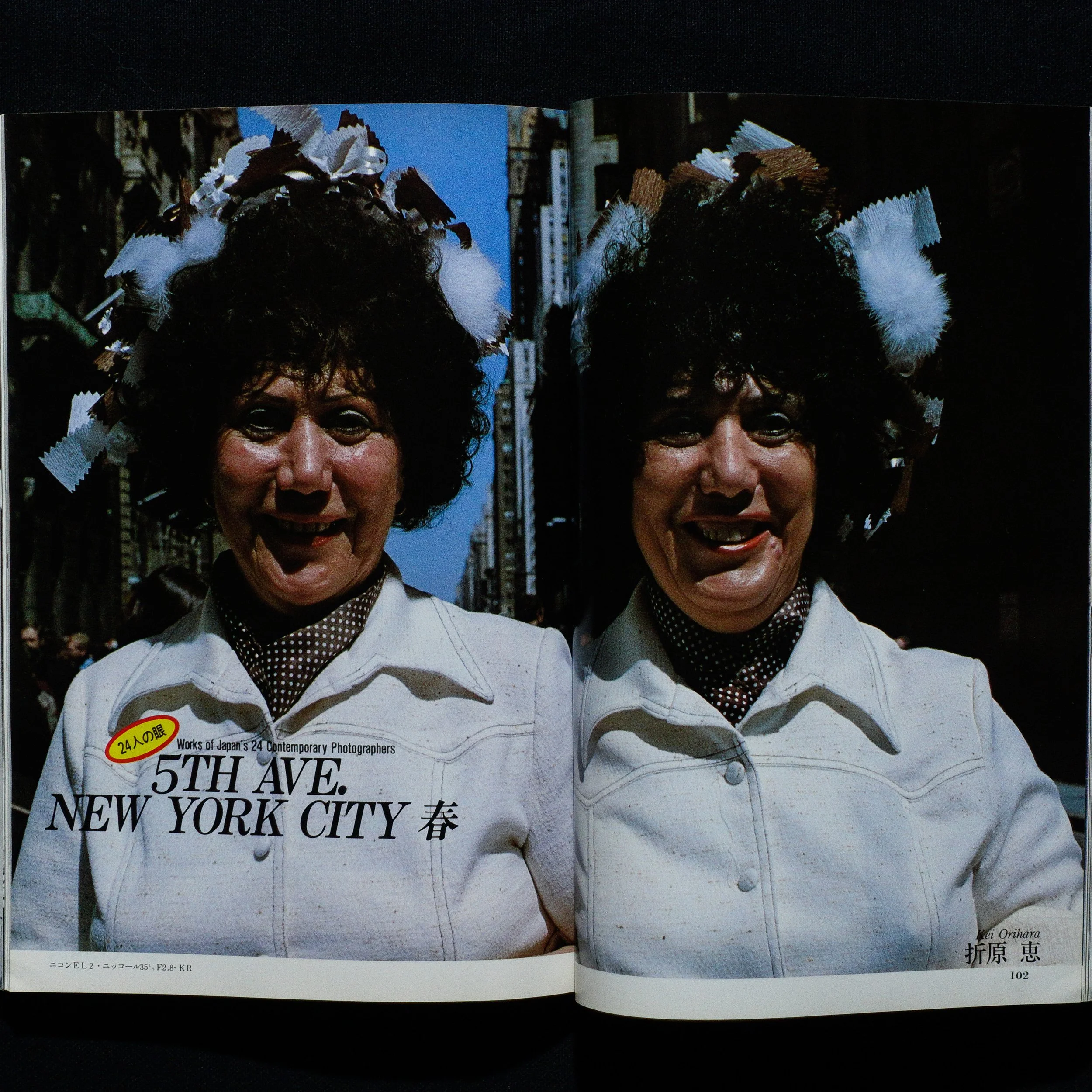
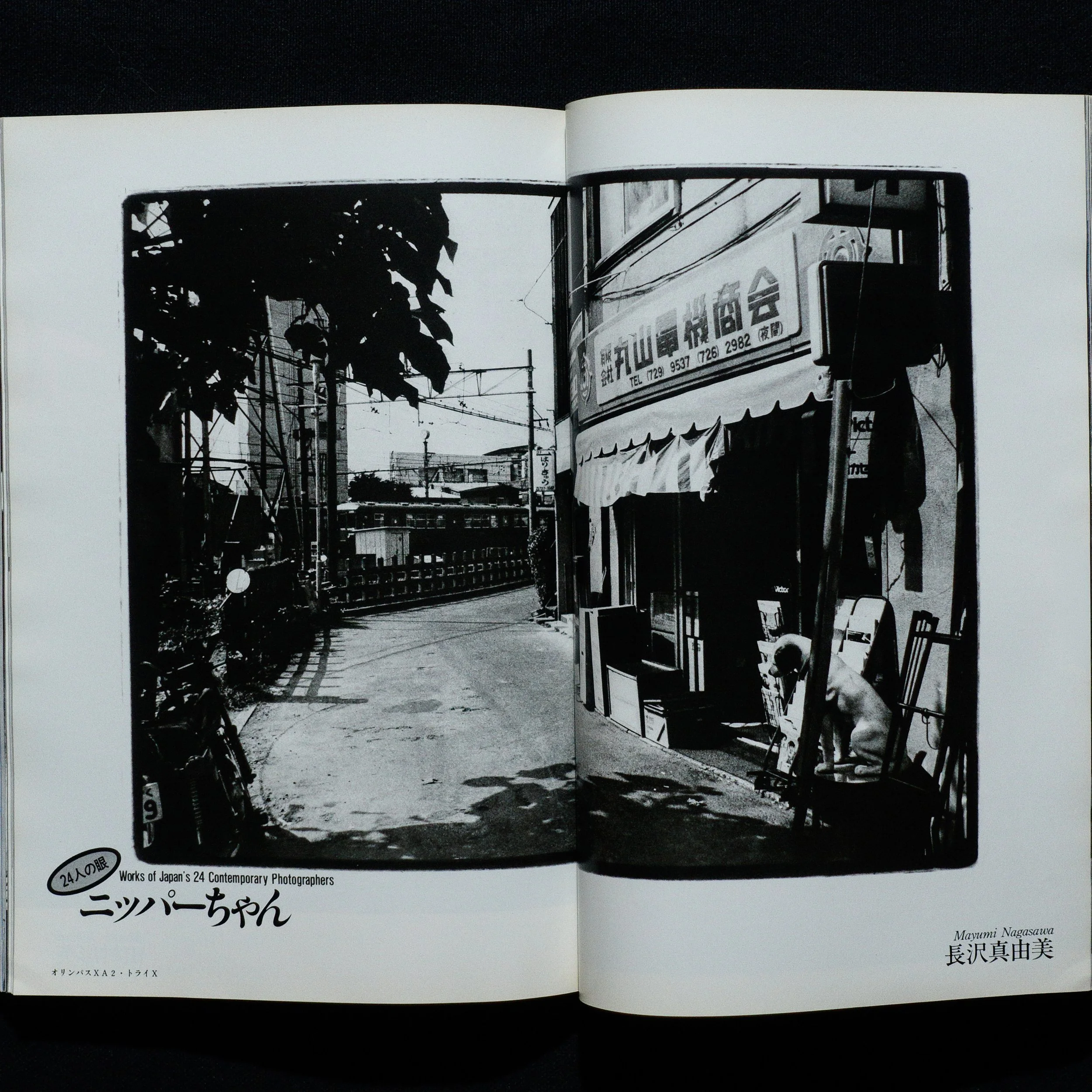
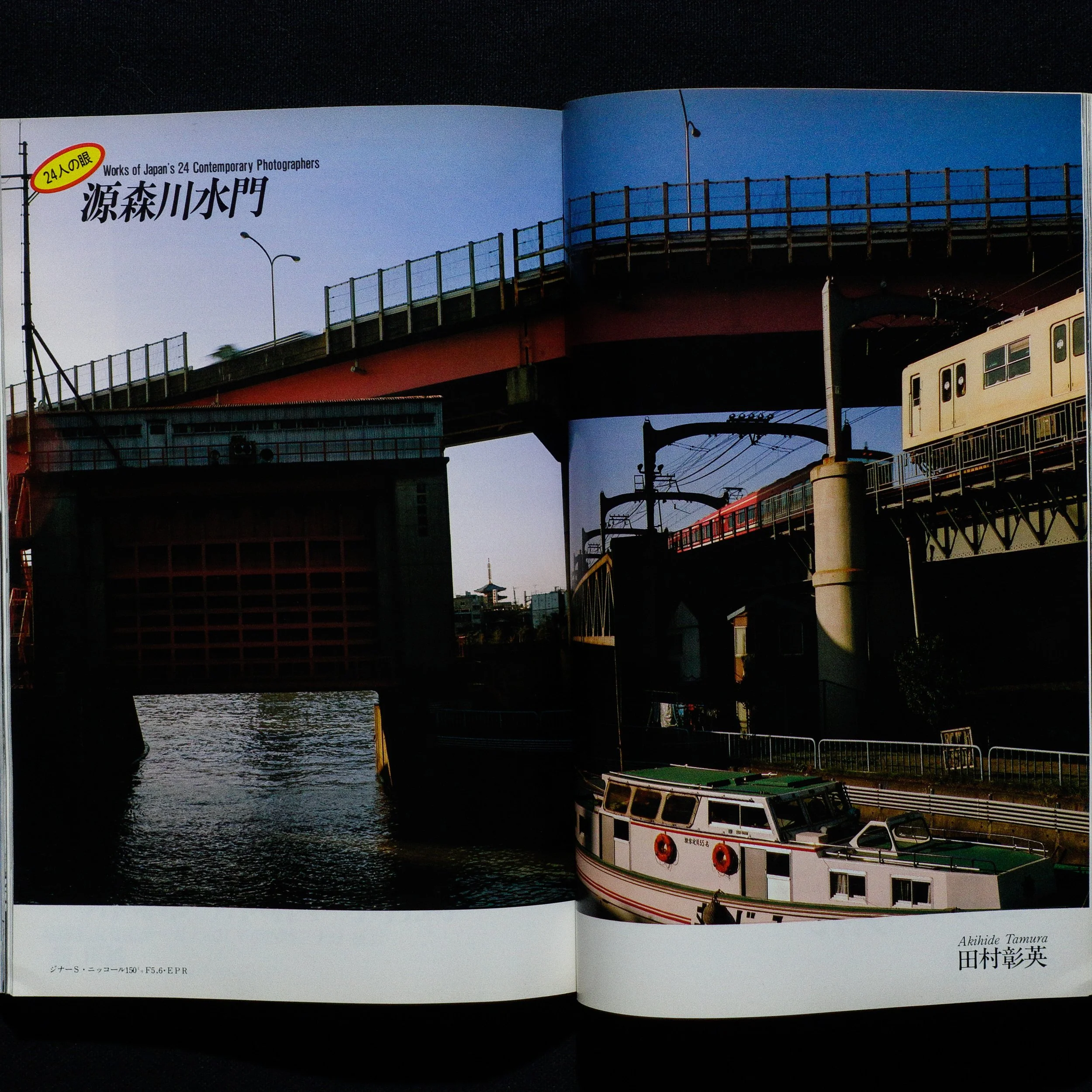
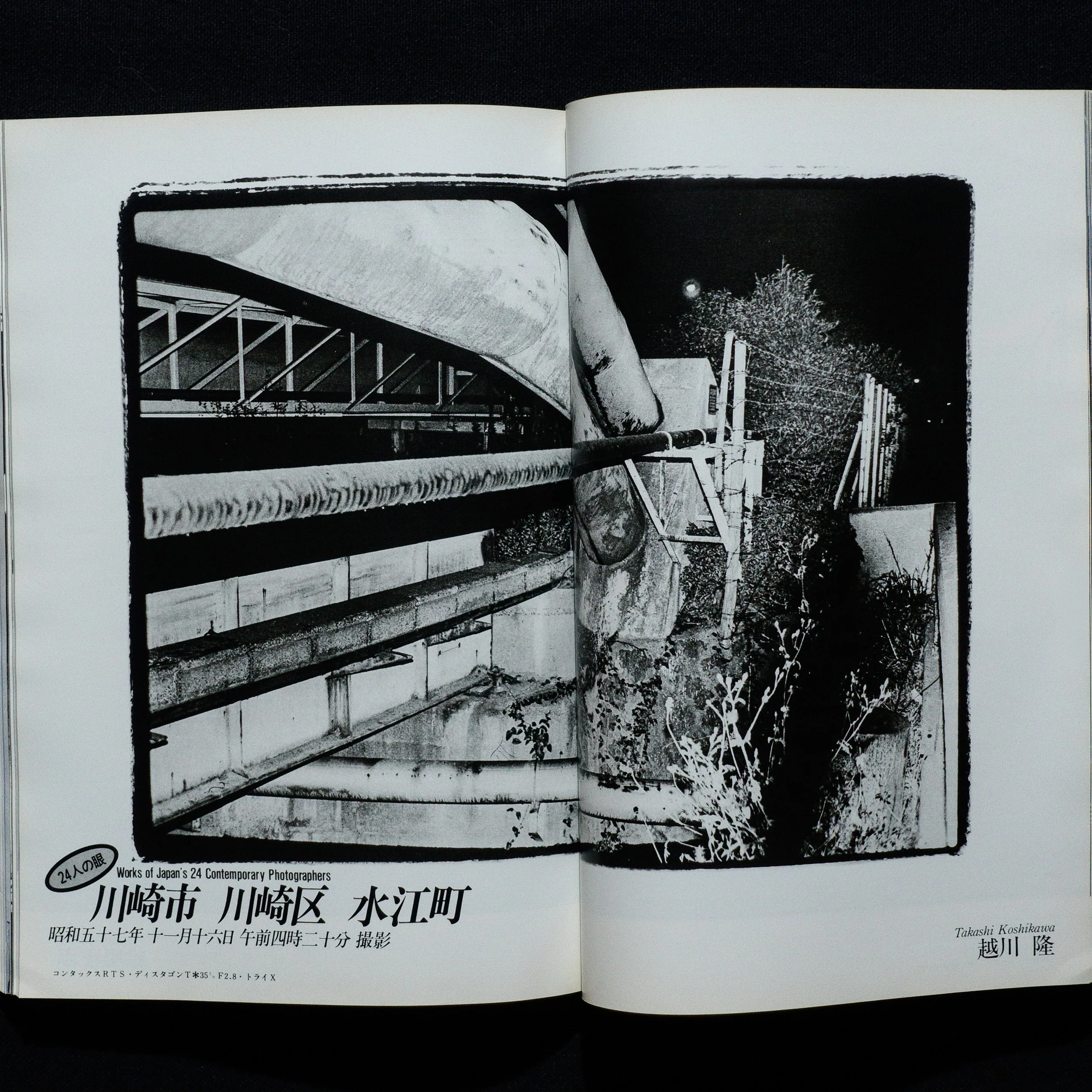
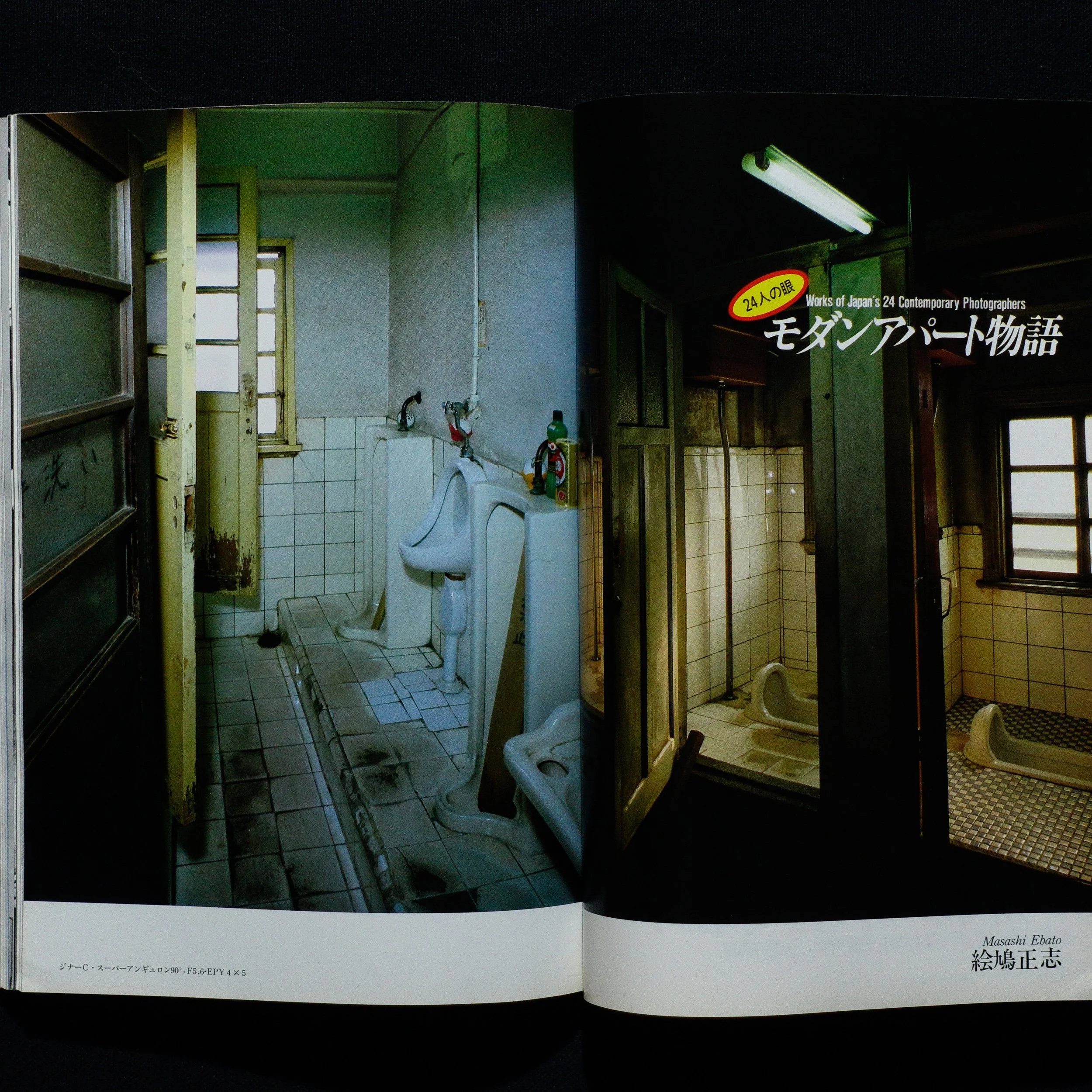
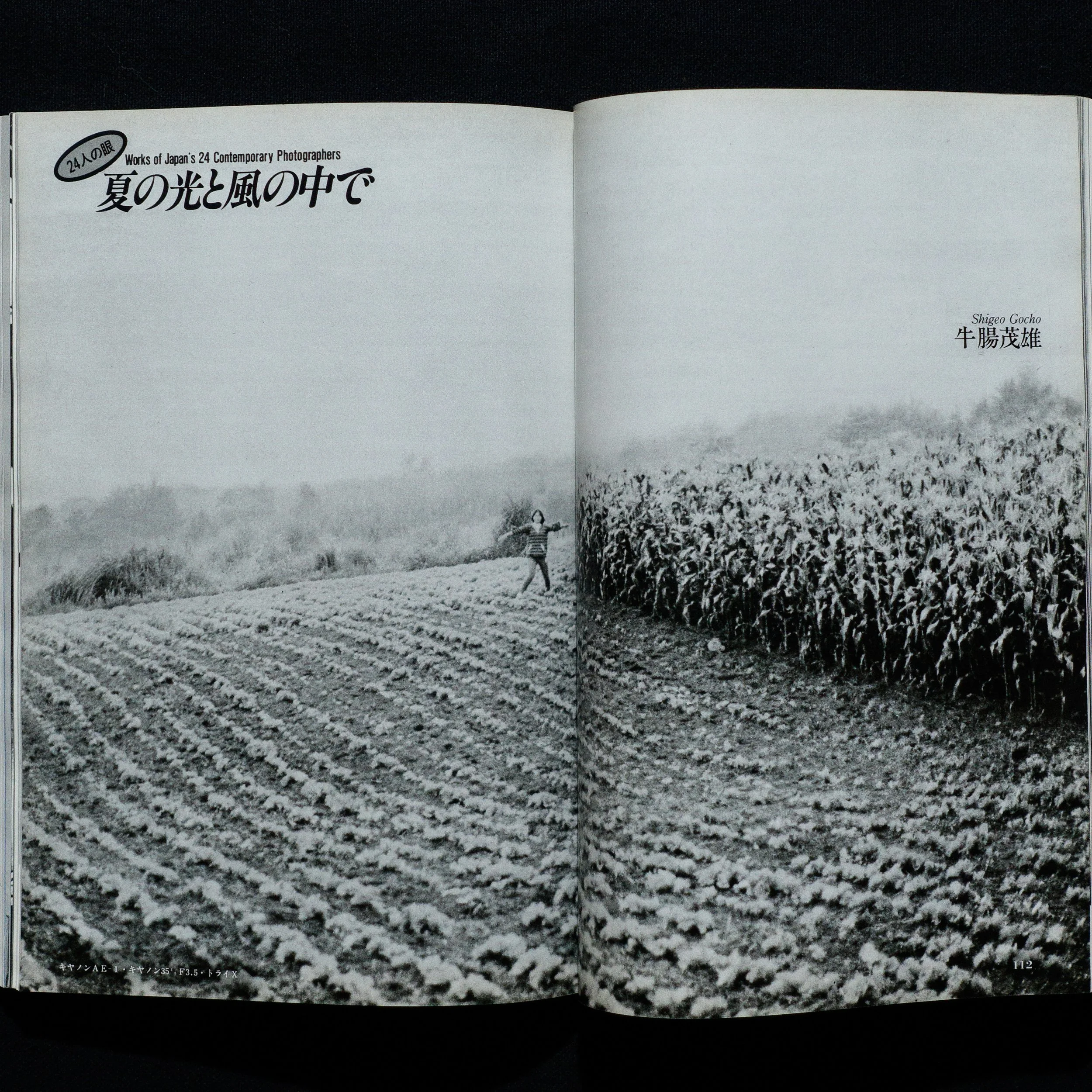
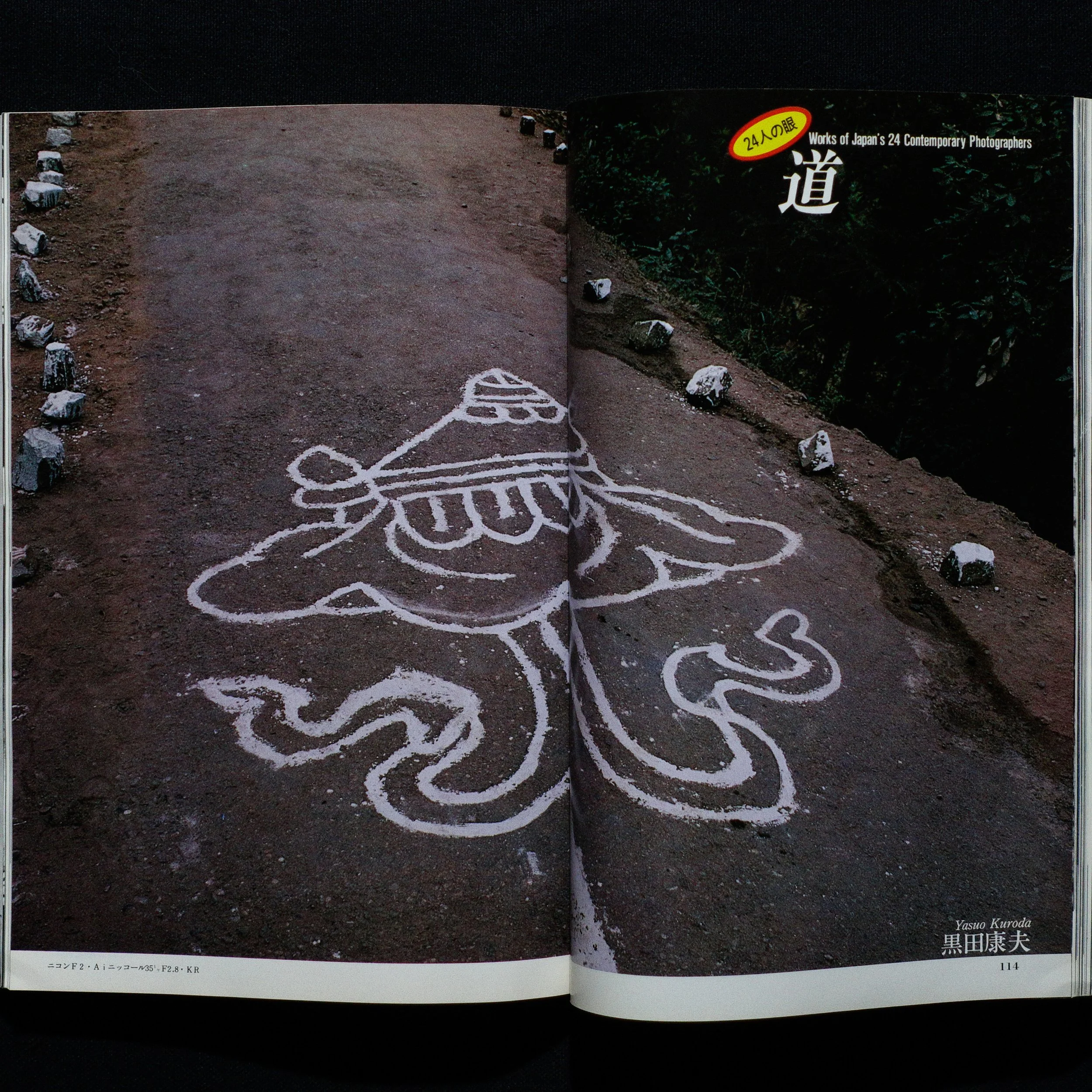
Around 1983, a monthly like Asahi Camera was deeply involved in shaping how “contemporary photography” was seen. In this sequence, Fifth Avenue, a water gate, Kawasaki’s industrial zone, old apartment buildings, summer fields, and a road appear one after another, and the center of gravity shifts away from people and events toward place, structure, and local experience.
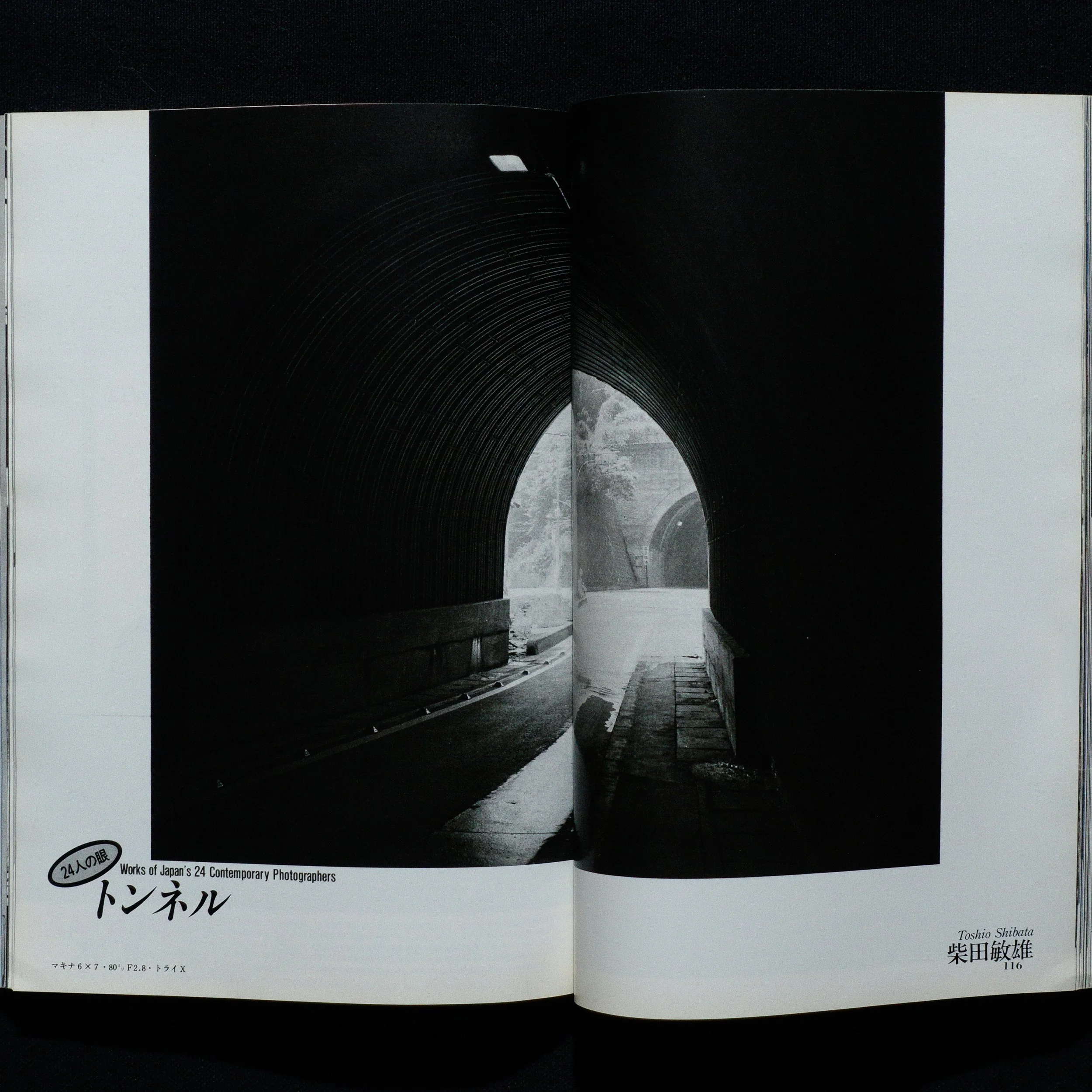
Akihide Tamura had already entered exhibition view in the 1970s through series such as House and BASE. Looking back, Genmorigawa Water Gate sits close to the moment when his attention turned toward Tokyo’s waterfront, canals, water gates, and elevated roads. By 1983, Shigeo Gocho had already passed through two major points, SELF AND OTHERS (1977) and In the Familiar Street (1981). Streets he knew well, seasonal light, and the texture of everyday life had become more important than dramatic incidents. His death in June that year gives In the Summer Light and Wind an added sense of time: a late period returning, more and more quietly, to ordinary experience itself. Toshio Shibata stands at another beginning. After studying painting in Tokyo and photography in Ghent, he started to focus seriously on photography around 1980, and the line of work that would later develop around artificial structures, civil engineering, and terrain was already taking shape.
Read together, these pages mark a moment when early-1980s Japanese photography began to let roads, riverbanks, tunnels, and built edges carry the atmosphere of the time.
24人の眼 1983 ╱ 17–24 Pt.3
Kei Orihara (折原恵) — 5th Ave. New York City, Spring
Mayumi Nagasawa (長沢真由美) — Nipper-chan
Akihide Tamura (田村彰英) — Genmorigawa Water Gate
Takashi Koshikawa (越川隆) — Mizue-cho, Kawasaki-ku, Kawasaki City
Masashi Ebato (絵鳩正志) — Modern Apartment Story
Shigeo Gocho (牛腸茂雄) — In the Summer Light and Wind
Yasuo Kuroda (黒田康夫) — Road
Toshio Shibata (柴田敏雄) — Tunnel
