
Works of Japan’s 24 Contemporary Photographers Pt.2
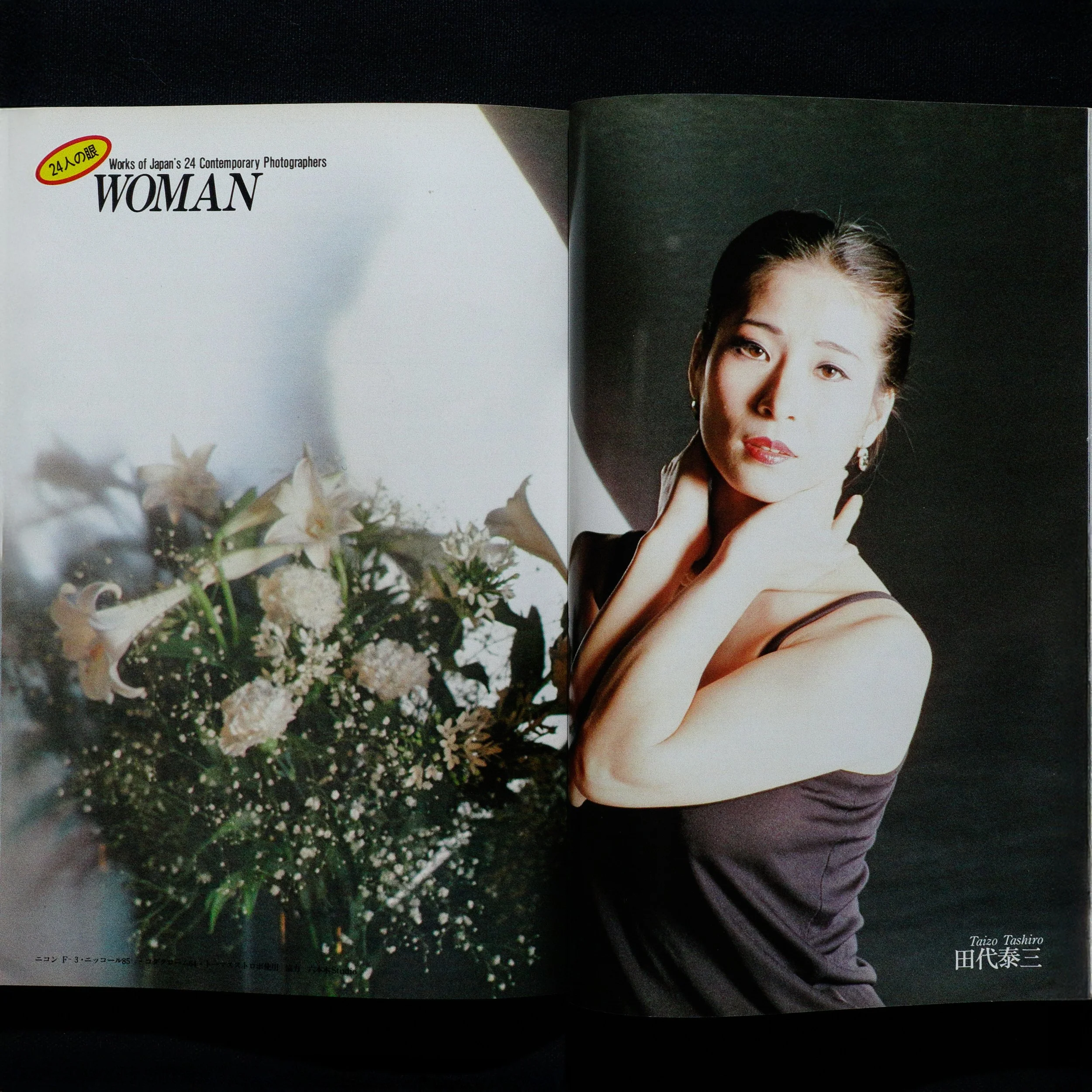
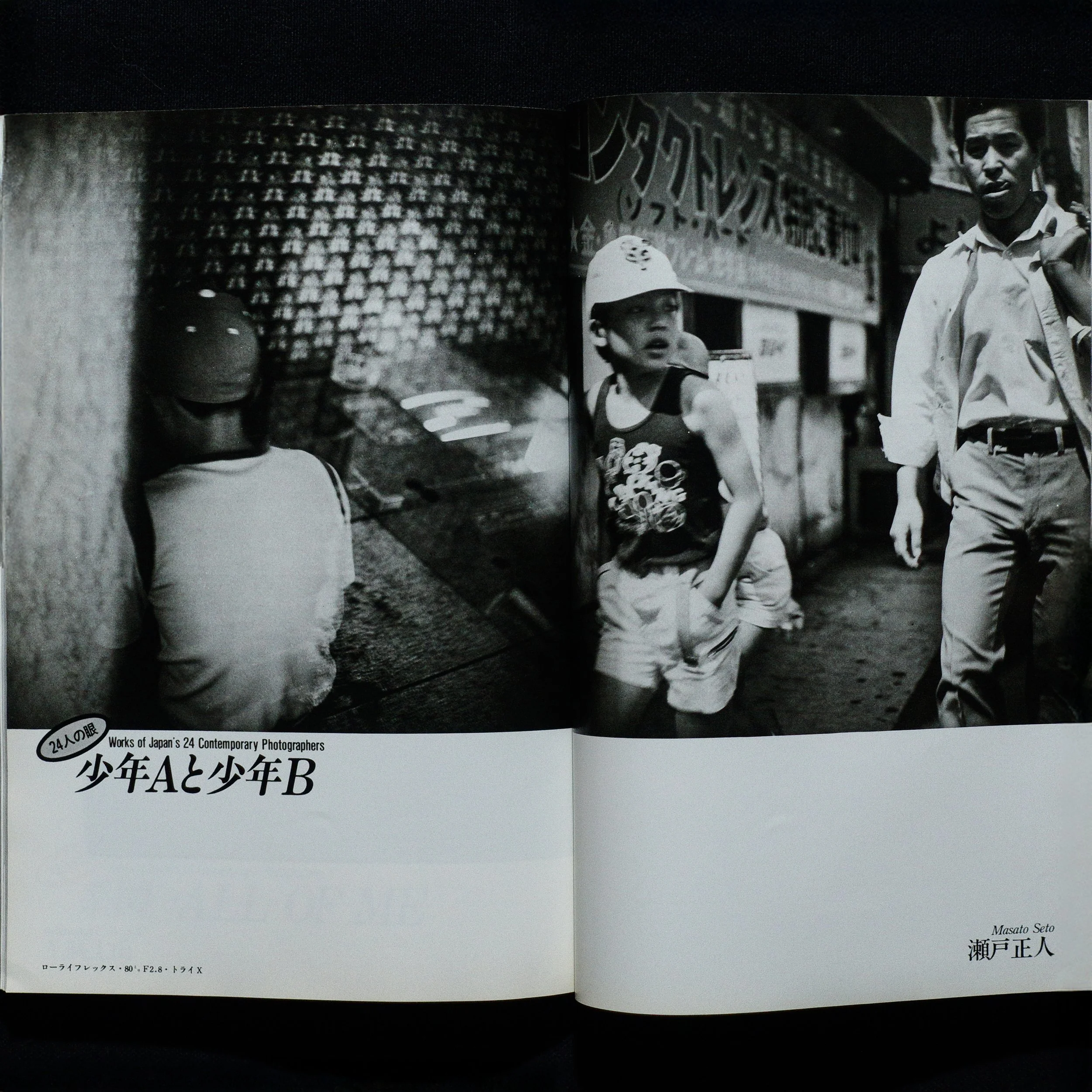
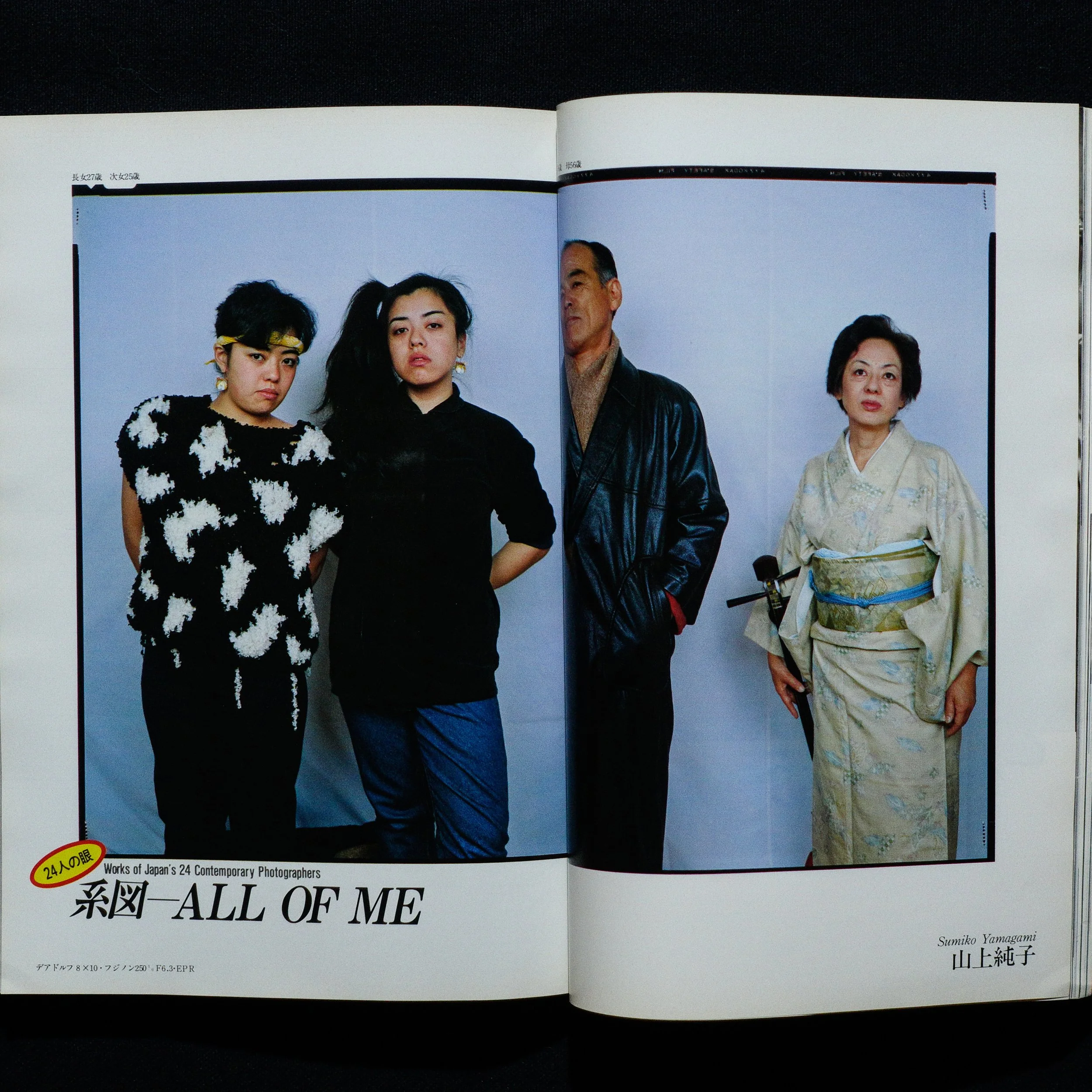
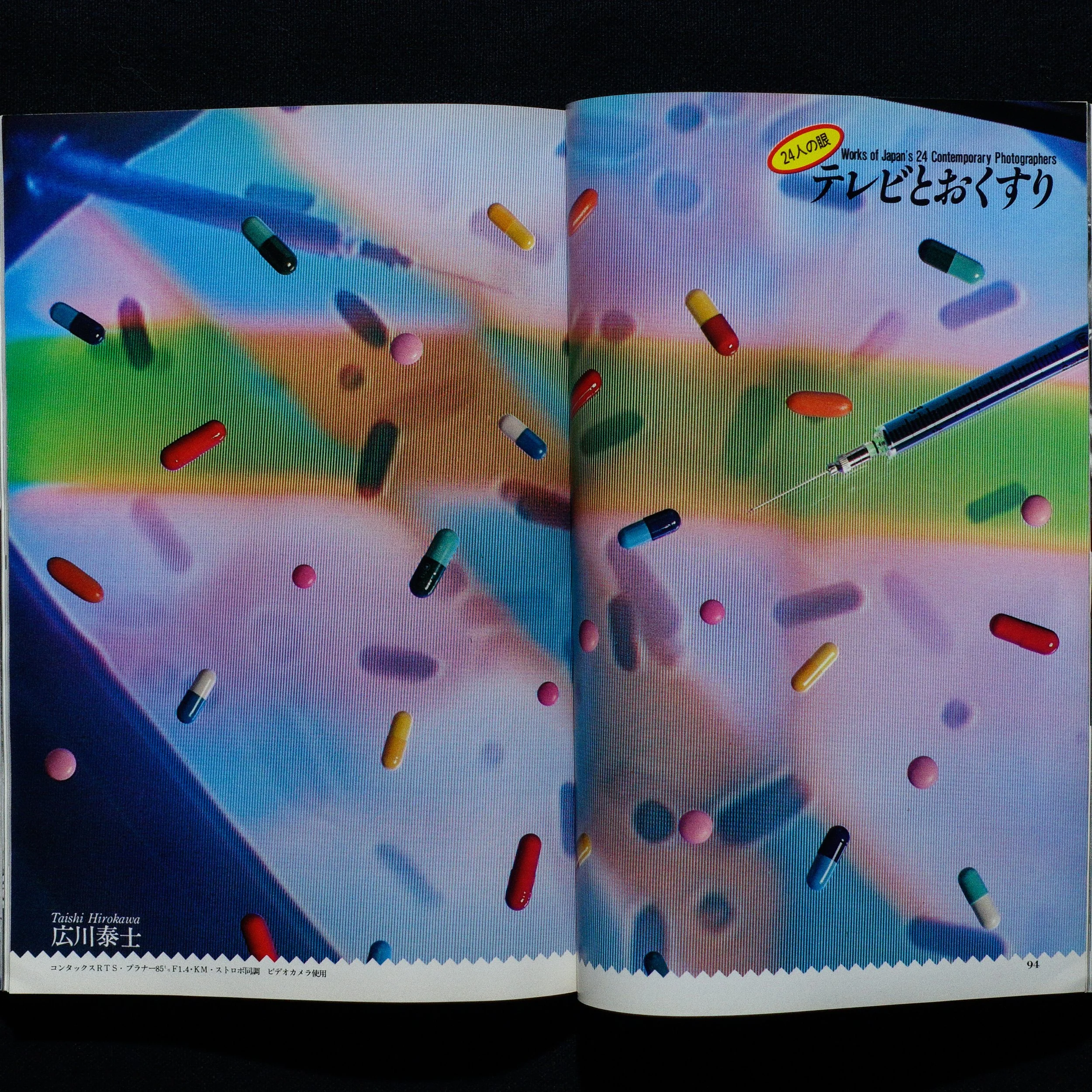
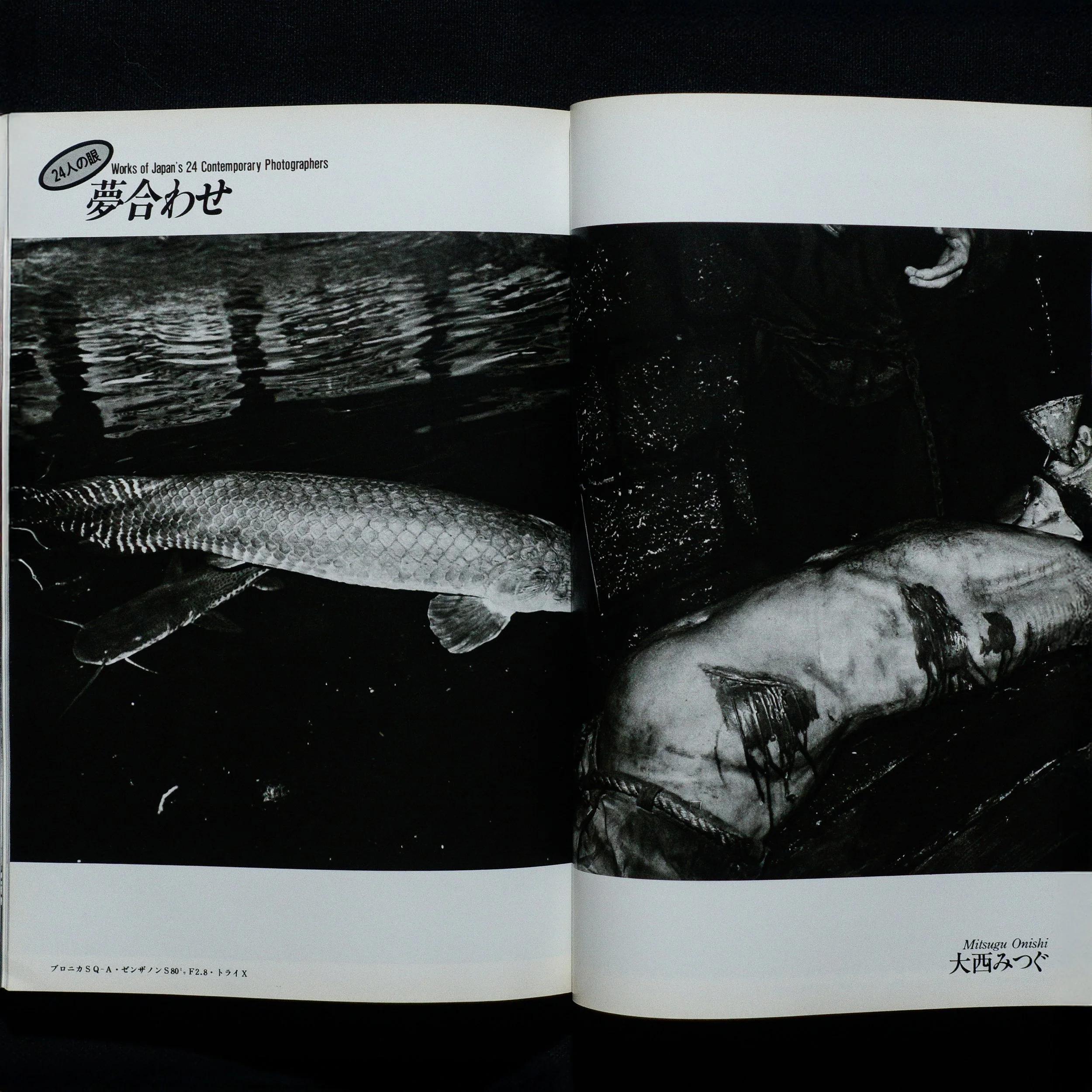
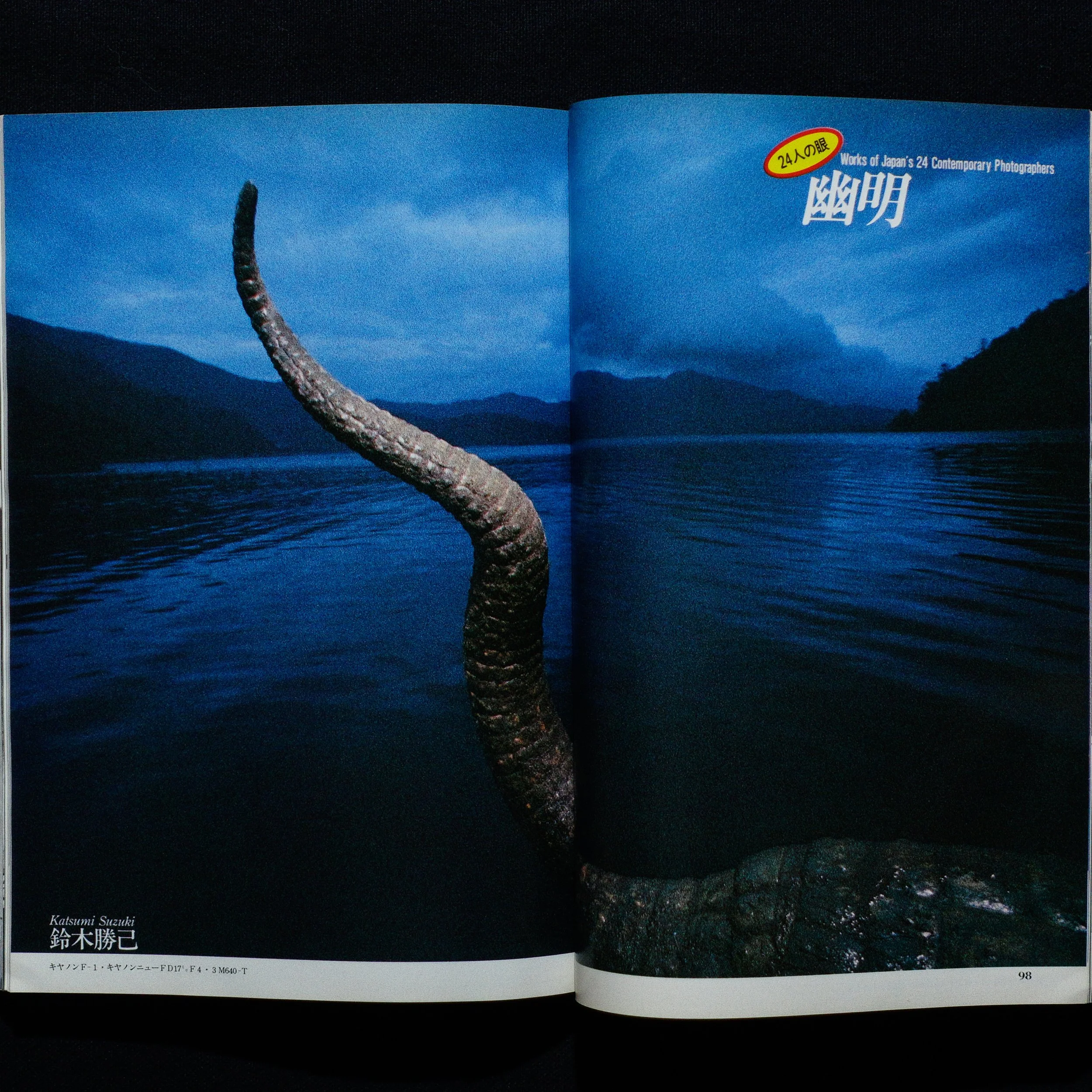
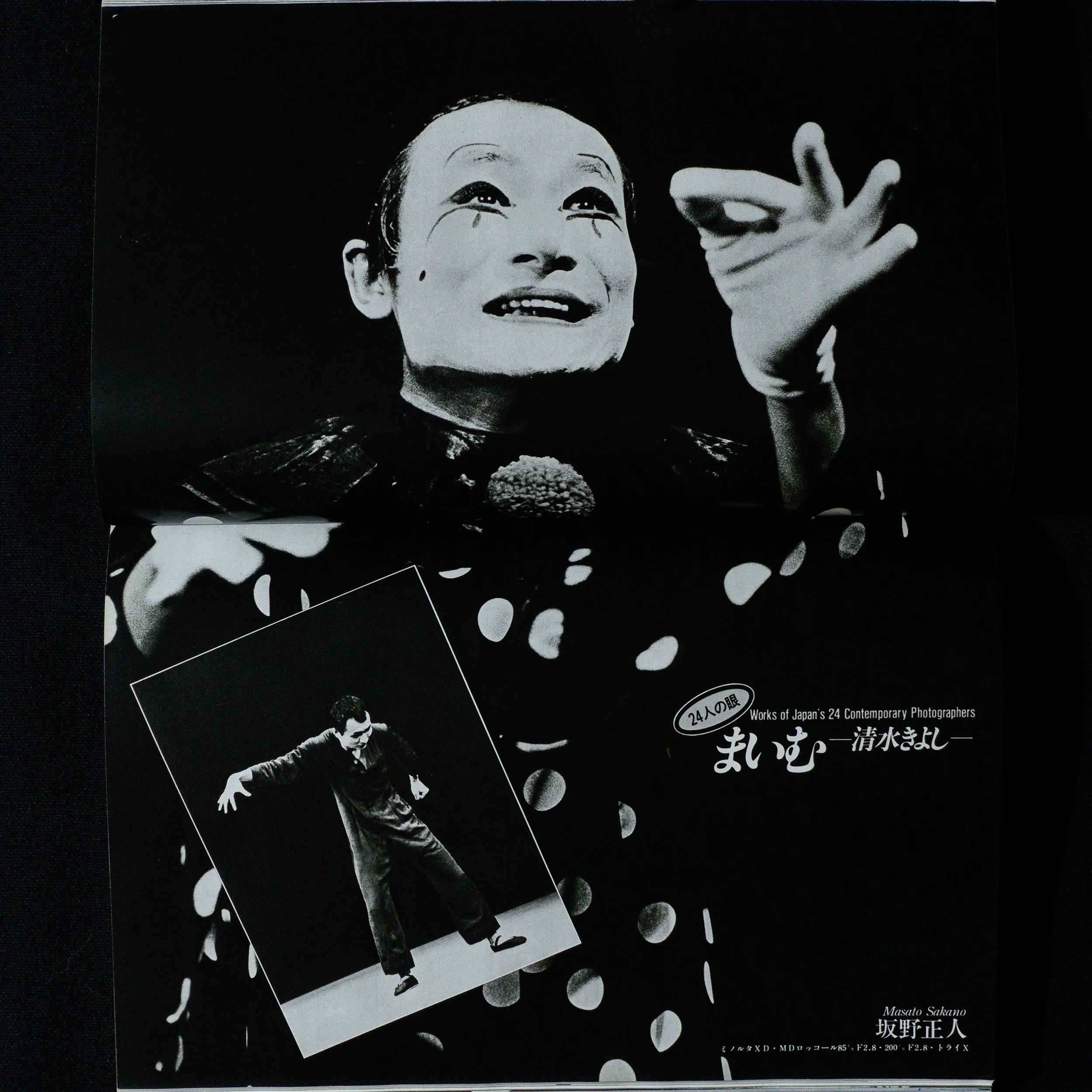
By the early 1980s, Japanese photography was deeply tied to the magazine page. A monthly like Asahi Camera did more than publish work; it also shaped how readers came to understand what counted as “contemporary photography.” Within 24人の眼, several strands of that moment meet in one feature: human mobility, the media-saturated surface of everyday life, and a slower, sedimented sense of urban memory.
Masato Seto had begun working as a freelance photographer in 1981, and Bangkok, Hanoi 1982–1987 is positioned by the Tokyo Photographic Art Museum as his debut phase. Seen from 1983, his trajectory was already taking shape: personal origin, movement across places, and the presence of people within the city were entering the same photographic field. Taishi Hirokawa belongs to another layer of the period. Working professionally since 1974 across portraiture, fashion/advertising, and still life, his practice sits inside the visual conditions of consumer culture, print reproduction, and media technology. Mitsugu Ohnishi brings in a different urban register. Born in Tokyo in 1952 and trained at Tokyo College of Photography, he would later be recognized through works such as Kakou no Machi, Tooi Natsu, and Shūen no Machi kara. Looking back from 1983, his sustained attention to downtown Tokyo, waterfronts, and edge zones was already beginning to cohere.
What emerges here is not a single style but a shared historical atmosphere. Mobility, media surfaces, and the accumulated memory of the city appear side by side in one issue, turning the magazine into a place where the texture of early-1980s Japanese photography can still be felt page by page.
24人の眼 1983 ╱ 9–16 Pt.2
Taizo Tashiro (田代泰三) — WOMAN
Masato Seto (瀬戸正人) — Boy A and Boy B
Sumiko Yamagami (山上純子) — Family Tree — ALL OF ME
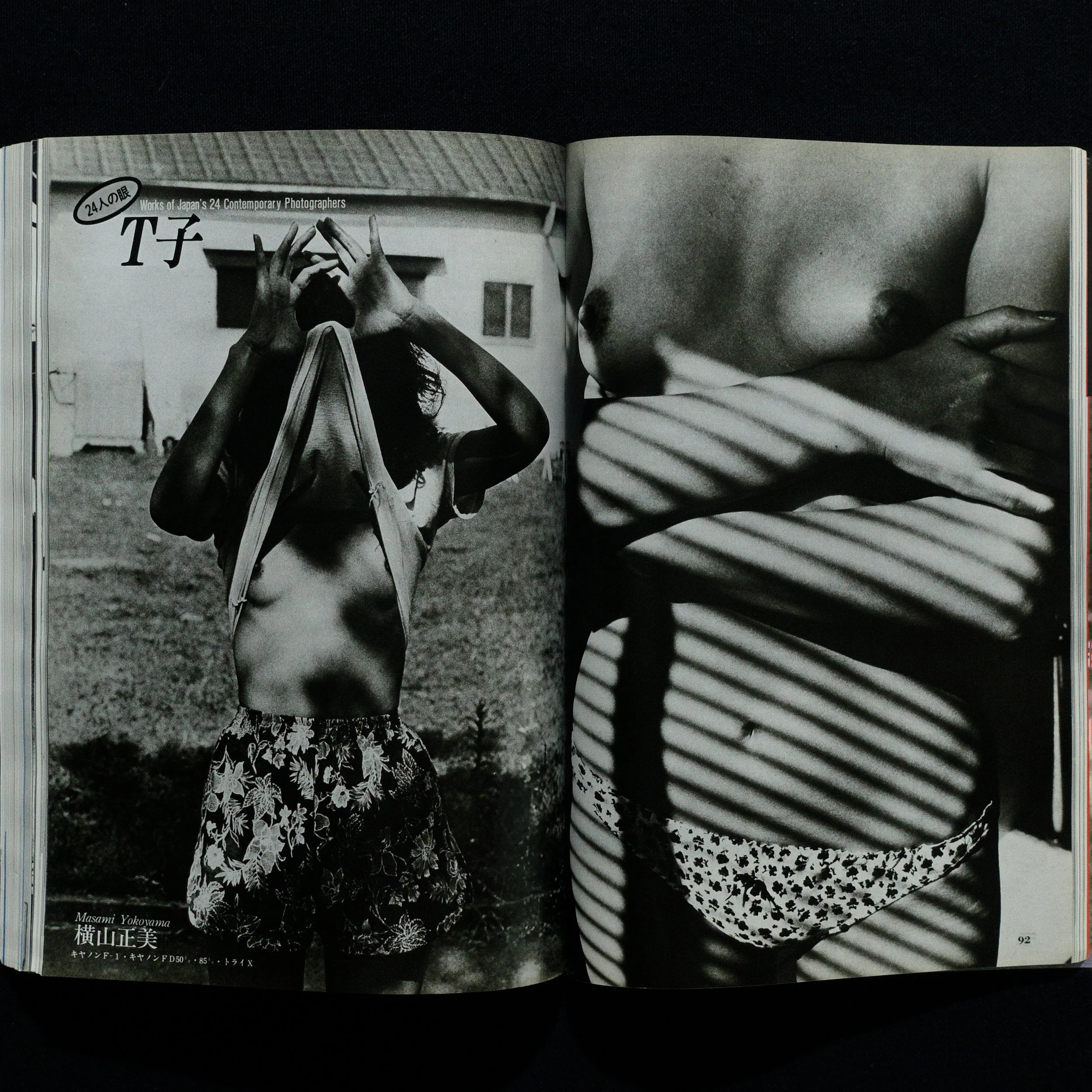
Masami Yokoyama (横山正美) — T-ko
Taishi Hirokawa (広川泰士) — Television and Medicine
Mitsugu Ohnishi (大西みつぐ) — Dream Matching
Katsumi Suzuki (鈴木勝己) — The Seen and Unseen
Masato Sakano (坂野正人) — Maimu — Mare Shimizu
